
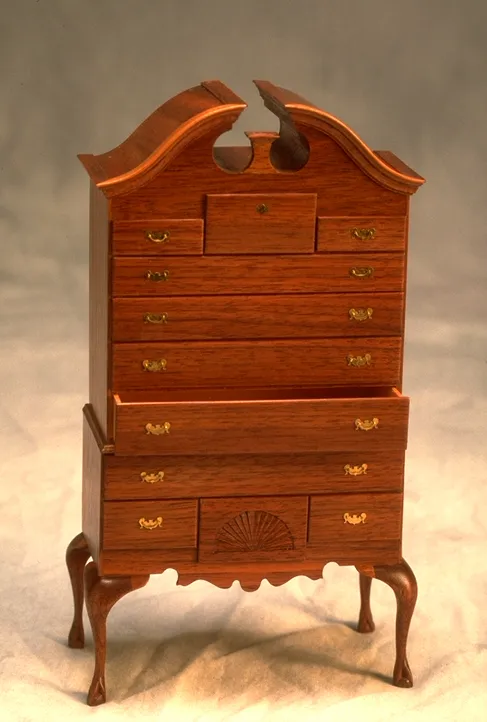
Displaying and Protecting Miniature Furniture Collections
Expert guide to displaying and protecting miniature furniture collections. Covers UV protection, humidity control, display cases, lighting, and insurance tips.
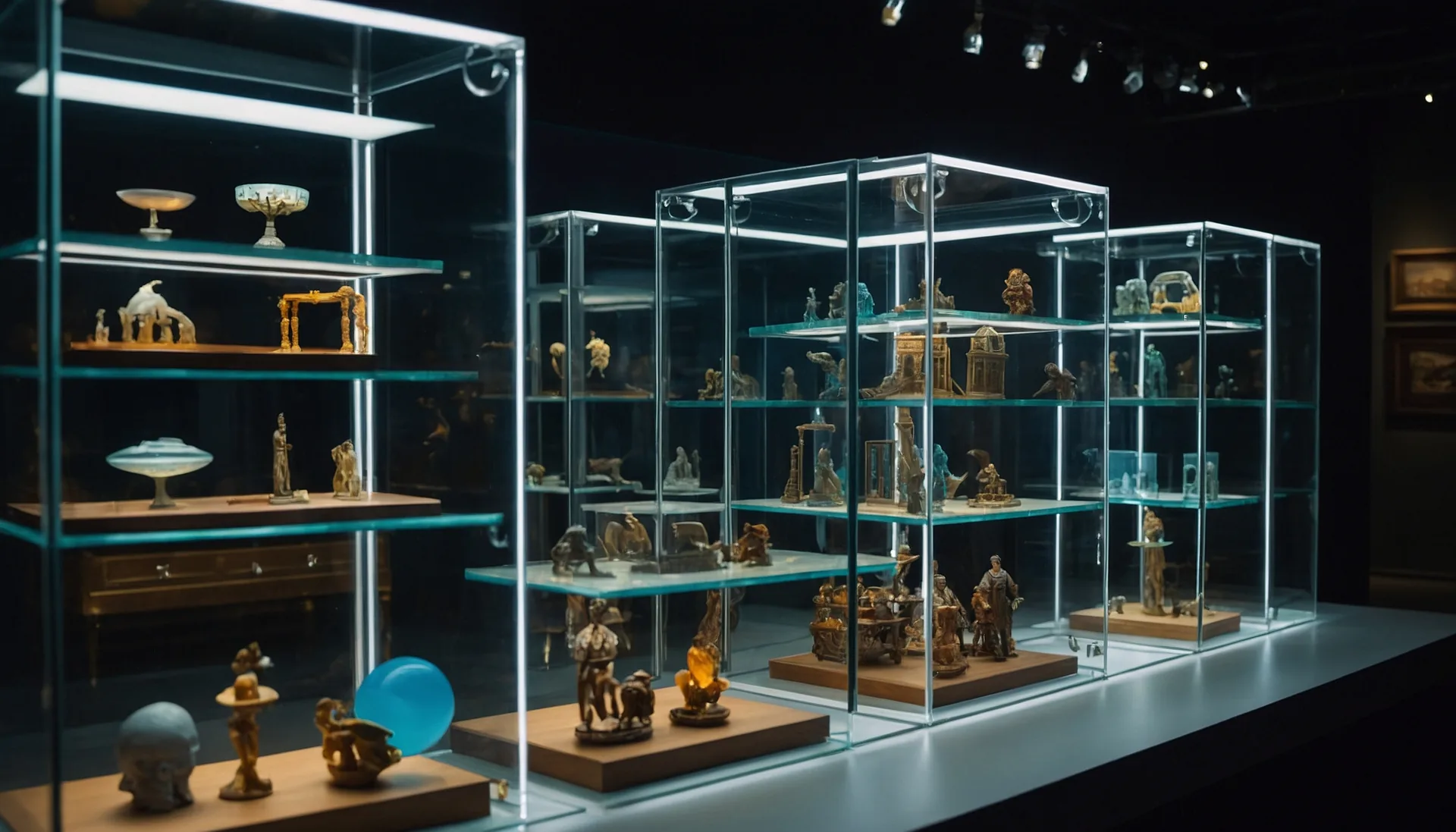
You have invested time, money, and passion in building your miniature furniture collection. Now the question becomes: how do you display it beautifully while keeping it safe for generations? In my years as a maker and collector, I have seen wonderful pieces damaged by preventable causes. Sunlight, humidity swings, dust, and careless handling are the enemies of fine miniature furniture, and each one can be defeated with the right approach.
Understanding the Threats
Before discussing solutions, let us understand what threatens fine miniature furniture. Every piece I build in my workshop is constructed to last for generations, but even the finest work is vulnerable to environmental damage if not properly displayed and stored.
Ultraviolet Light
Sunlight is the most insidious threat to fine furniture at any scale. UV radiation fades finishes, bleaches wood, and degrades adhesives over time. The damage is cumulative, gradual, and irreversible. A mahogany piece exposed to direct sunlight for even a few months will show noticeable color change. Over years, the effect can be devastating.
What makes UV damage particularly dangerous is that it happens slowly enough to go unnoticed until significant harm has been done. By the time you realize a piece has faded, it is too late to undo the damage.
Humidity
Wood is hygroscopic, meaning it absorbs and releases moisture in response to ambient humidity. When humidity rises, wood expands. When it drops, wood shrinks. This cycle of expansion and contraction puts stress on joints and can eventually cause cracks, splits, warping, and joint failure.
At miniature scale, the effects of humidity change are proportionally the same as on full-size furniture, but the tiny components and fine joinery can be even more vulnerable. A dovetail joint with pins less than 1/32 inch wide has very little tolerance for dimensional change.
Dust and Pollutants
Dust is abrasive. Over time, it can dull fine finishes and, if combined with humidity, can create conditions that promote mold growth or staining. Airborne pollutants, including cooking fumes, tobacco smoke, and household chemicals, can deposit films on surfaces that are difficult to remove without risking damage to the finish beneath.
Physical Handling
Miniature furniture is, by nature, delicate. Components like chair spindles, carved finials, and tiny drawer pulls can be damaged by careless handling. Even the oils from fingertips can affect fine finishes over time.
Display Case Options
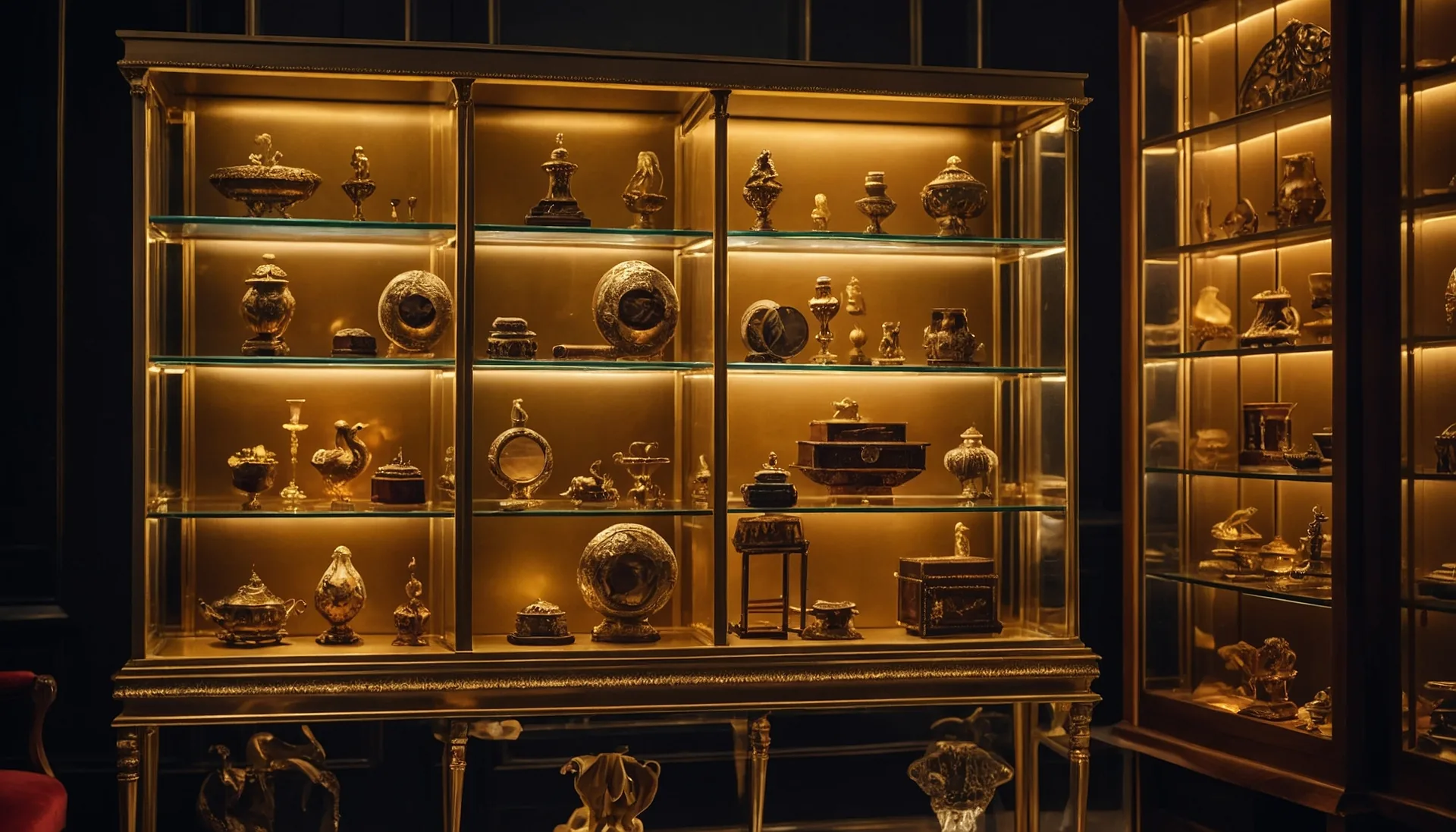
The right display case is your primary defense against all of these threats. Here are the main options available to collectors.
Glass-Front Cabinets
Traditional glass-front display cabinets are popular for good reason. They protect against dust and casual contact while allowing full visibility. For miniature furniture collections, choose cabinets with UV-filtering glass or apply UV-filtering film to the glass panels yourself. Many museum supply companies offer adhesive UV films that are virtually invisible.
Look for cabinets with adjustable shelves so you can customize the interior to suit your pieces. Glass shelves offer the advantage of allowing light to reach lower levels. Solid shelves covered in archival fabric or felt provide a warmer backdrop and prevent pieces from sliding.
Custom Display Cases
For serious collectors, custom-built display cases offer the most control over environmental conditions. These can be designed to specific dimensions, fitted with UV-filtering glass, equipped with humidity control devices, and wired for integrated lighting. The initial investment is higher, but the protection and presentation quality are unmatched.
If you choose a custom case, work with a builder who understands conservation requirements. Specify museum-grade UV glass, sealed construction to minimize dust infiltration, and access doors that allow you to arrange and maintain your collection without difficulty.
Shadow Boxes and Wall-Mounted Displays
Shadow boxes are excellent for displaying individual pieces or small vignettes. They can be mounted at eye level for optimal viewing and keep pieces safely behind glass. As with larger cases, ensure the glazing provides UV protection.
Room Box Displays
Many collectors display their miniatures in decorated room boxes, essentially miniature rooms that showcase furniture in a realistic setting. Room boxes add context and visual interest, transforming a collection of individual pieces into an immersive scene. I explore room box design in my article on dollhouse decorating with handcrafted furniture.
Lighting Your Collection
Good lighting transforms a collection from merely visible to truly spectacular. The key is choosing light sources that show your pieces to their best advantage without causing damage.
LED Lighting
LED lights are the ideal choice for illuminating miniature furniture collections. They produce minimal heat, emit virtually no UV radiation, and are available in a wide range of color temperatures. For wood furniture, warm white LEDs in the 2700K to 3000K range provide the most flattering light, enhancing the warm tones of mahogany, cherry, and walnut.
Position lights above and slightly in front of the pieces to minimize shadows and bring out the depth of the finish. Avoid placing lights too close to any single piece, as even the small amount of heat from LEDs can create localized warming over time.
Fiber Optic Lighting
For the ultimate in safe illumination, fiber optic lighting places the heat-generating light source outside the display case and transmits only light through thin optical fibers. This approach is used in many museum displays and is increasingly available for home use.
What to Avoid
Incandescent bulbs and halogen lights produce significant heat and UV radiation. They should never be used inside or close to display cases. Fluorescent lighting also produces UV and should be avoided or filtered.
Climate Control
Maintaining stable humidity is critical for wood preservation. The ideal range for fine wood furniture is 40 to 55 percent relative humidity. Significant fluctuations outside this range invite damage.
Monitoring
Invest in a digital hygrometer and place it near your display area. Many modern hygrometers record minimum and maximum readings over time, which helps you identify seasonal patterns and problem periods. Check readings regularly, particularly during winter when heating systems can drive indoor humidity dangerously low.
Stabilization
If your home experiences significant humidity swings, consider a whole-house humidification system or a room-sized unit for the space where your collection is displayed. For individual display cases, small conservation-grade humidity control cartridges can help buffer changes within the case. These are available from archival and museum supply companies.
Handling Procedures
Even with protective display cases, you will occasionally need to handle your pieces for cleaning, rearranging, or photography.
Best Practices
Always wash and thoroughly dry your hands before handling miniature furniture. Better yet, wear clean cotton gloves. Lift pieces by their base or most structurally substantial part, never by delicate elements like chair backs, finials, or carved details. Work over a padded surface so that if a piece slips, it lands safely.
Move one piece at a time. Never stack or pile miniatures. When transporting pieces, use individual containers lined with acid-free tissue or soft foam.
Cleaning Methods
Dust your collection regularly to prevent buildup. Use a soft, natural-bristle artist’s brush to gently sweep dust from surfaces, crevices, and carved details. For flat surfaces, a microfiber cloth works well.
Never use commercial furniture polish, spray cleaners, or water on fine miniature furniture. These products can damage delicate finishes, leave residues, and cause swelling in the wood. If a piece needs more than dusting, consult the maker or a conservation professional before attempting any cleaning.
Insurance and Documentation
Protect your investment with proper insurance and thorough documentation. I cover the insurance aspects in my post on the investment value of artisan miniature furniture, but the documentation side deserves emphasis here.
Photograph every piece in your collection from multiple angles under good lighting. Record the maker, date of acquisition, price paid, dimensions, materials, and any provenance information. Store this documentation in a secure location separate from the collection itself. Update it whenever you acquire new pieces or have the collection appraised.
Creating a Collection You Can Enjoy for a Lifetime
The goal of all this care and attention is simple: to ensure that the beautiful pieces in your collection remain as stunning decades from now as they are today. Fine miniature furniture is built to last, and with proper display and protection, it will.
If you have questions about caring for your miniatures or want to add museum-quality pieces to your collection, I invite you to visit my gallery or get in touch through my contact page. Your collection deserves the best, both in the pieces themselves and in how they are cared for.
Continue Your Journey
Related Articles
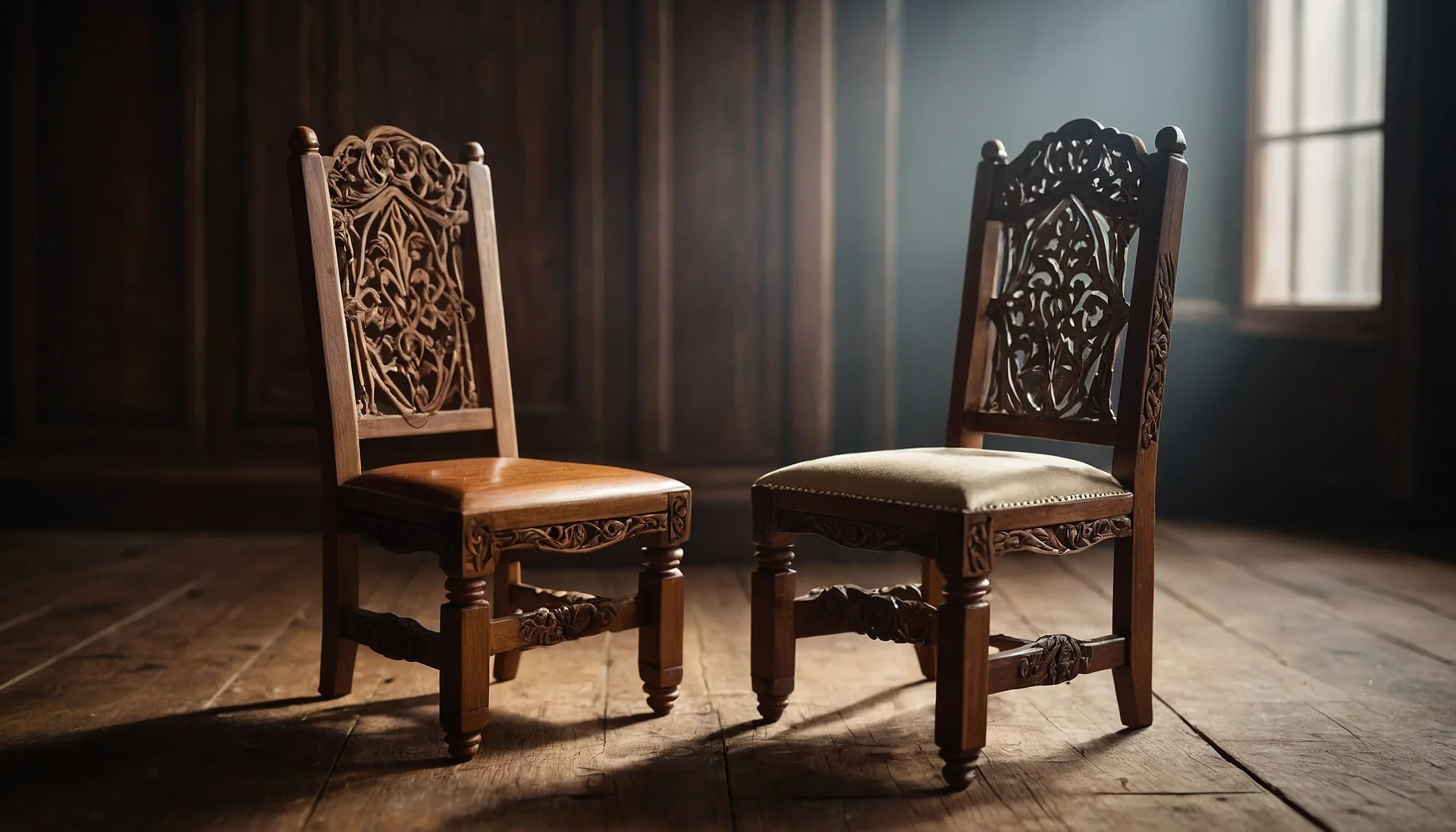
Handcrafted vs Kit-Built Miniatures: Key Differences
Compare handcrafted miniature furniture to kit-built pieces. Learn the key differences in materials, joinery, finishing, and collectibility between the two.
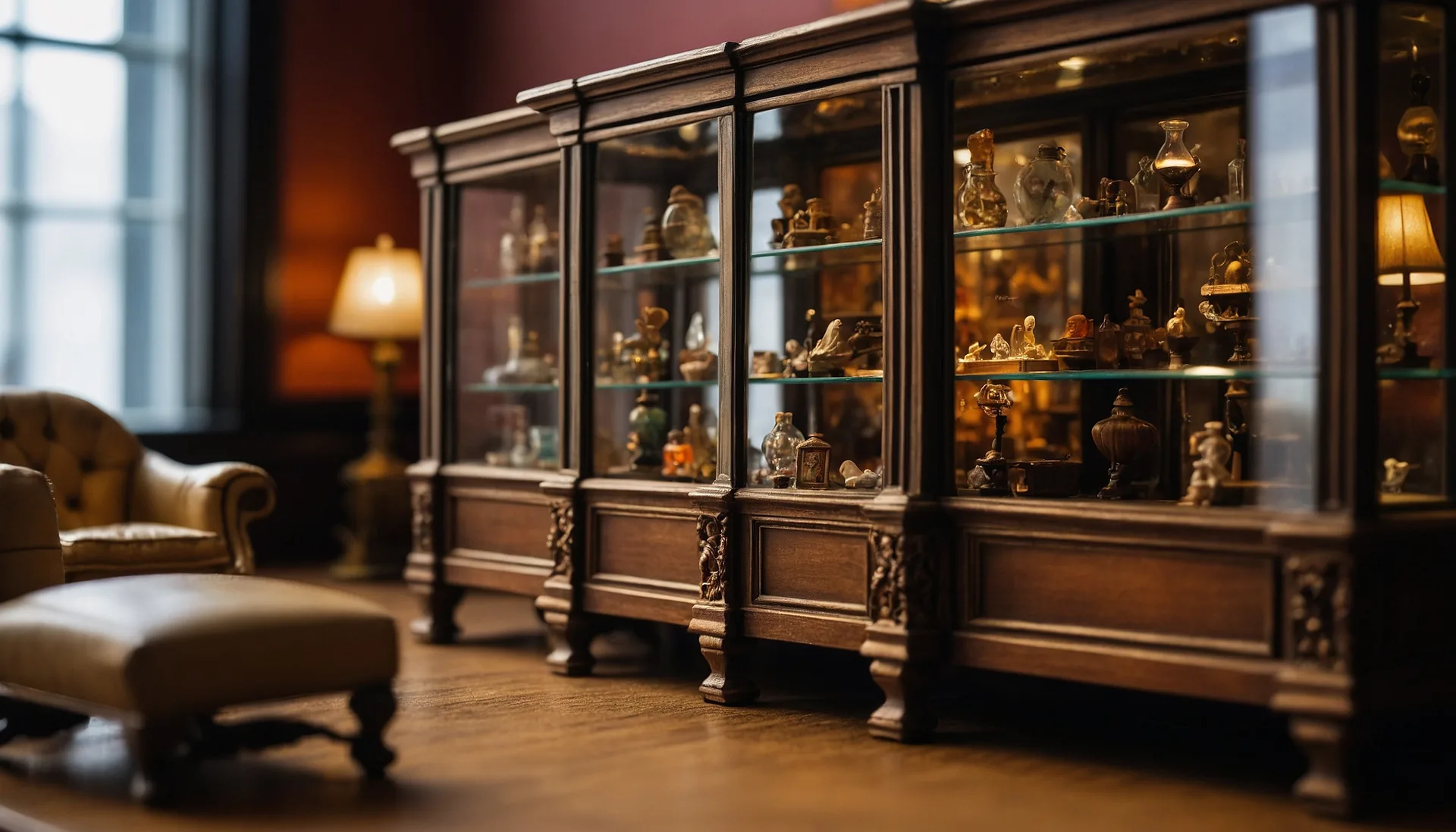
How to Start a Miniature Furniture Collection
Learn how to start a miniature furniture collection with this expert guide covering quality assessment, theme building, budgeting, and display tips.
The Investment Value of Artisan Miniature Furniture
Explore the investment value of artisan miniature furniture. Learn about auction results, value factors, and how to protect your miniatures investment.