
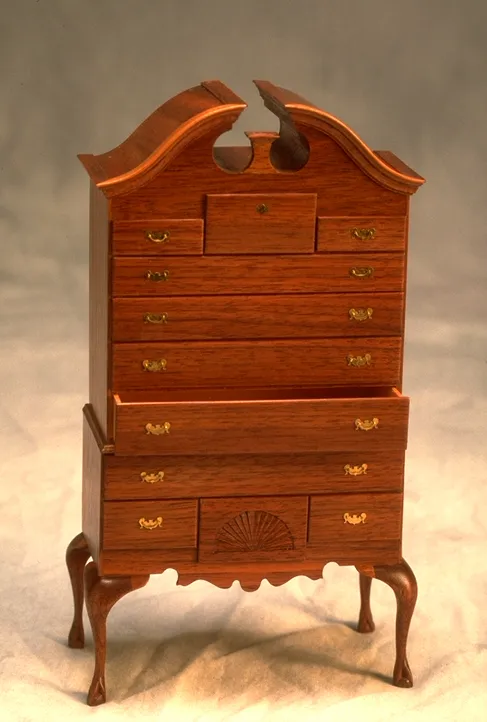
Dollhouse Decorating with Handcrafted Furniture
Learn expert dollhouse decorating tips using handcrafted miniature furniture. Create cohesive room settings with period-accurate pieces and realistic details.
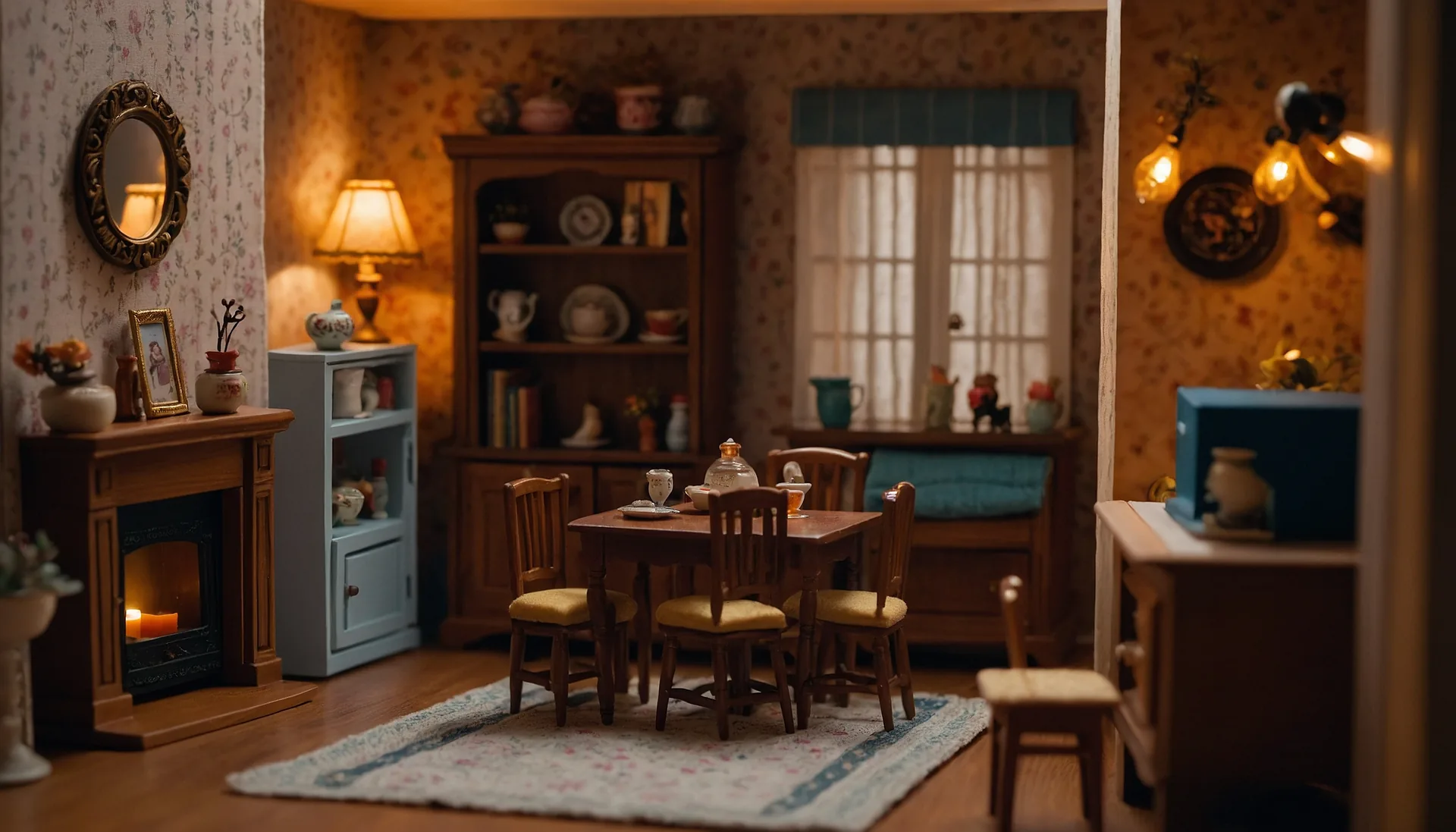
Decorating a dollhouse with handcrafted furniture is one of the most creatively satisfying projects a collector can undertake. It combines the art of interior design with the appreciation of fine craftsmanship, and the result is a miniature world that tells a story through every carefully chosen detail. Over the years, I have built pieces for countless room settings, and I have learned a great deal about what makes a miniature interior come alive. In this guide, I want to share those lessons with you.
Starting with a Vision
Every successful dollhouse interior begins with a clear vision. Before you purchase a single piece of furniture, decide on the story your room is going to tell. Ask yourself these questions.
What period is this room set in? A colonial American parlor, a Victorian drawing room, a Shaker bedroom, and a Federal dining room each demand different furniture, finishes, accessories, and color palettes. Establishing the period first ensures that every decision that follows supports a cohesive result.
Who lives here? Thinking about the imaginary occupants of your miniature room adds depth and character. A prosperous merchant’s study will be furnished differently from a rural farmhouse kitchen, even if both are set in the same period. The furniture, its condition, and its arrangement should reflect the lives of the people who use the room.
What is the room’s function? Bedrooms, dining rooms, kitchens, libraries, and parlors all have distinct furnishing requirements. Understanding the room’s purpose guides your selection of appropriate furniture forms and accessories.
Matching Periods and Styles
Period consistency is the foundation of a convincing miniature room. Mixing furniture from different periods can look as jarring in miniature as it does in full-size interiors, unless it is done deliberately to simulate the natural accumulation of pieces over time.
Period Furniture Pairings
If you choose a Queen Anne period room (roughly 1702-1760), your furniture should feature cabriole legs, pad feet, graceful curves, and restrained ornament. Woods should be walnut, cherry, or maple. A Chippendale room (1750-1790) allows for bolder carving, ball-and-claw feet, and more elaborate forms in mahogany. Federal period rooms (1780-1820) call for lighter, more geometric furniture with inlay and delicate proportions.
Understanding these period distinctions helps you select pieces that belong together. If you are building your knowledge of furniture periods, my posts on the history of miniature furniture and museum-quality standards provide useful background.
Mixing Periods Intentionally
In real homes, furniture accumulates over generations. A grandmother’s Queen Anne side table might sit alongside a newer Federal secretary desk. If you want to simulate this natural layering, do it with intention. Choose one dominant period for the room and allow one or two earlier pieces as inherited accents. This approach adds realism and warmth.
Scale Consistency
Nothing breaks the illusion of a miniature room faster than inconsistent scale. All furniture in a room setting should be built to the same scale, which for most collectors means 1/12 (one inch equals one foot). Even small deviations become obvious when pieces are displayed together.
When purchasing from different makers, verify that each piece conforms to true 1/12 scale. Measure key dimensions: seat height for chairs (approximately 1.5 inches in 1/12), table height (approximately 2.5 inches), and door height (approximately 6.75 inches). Pieces that are even slightly over- or under-scale will look wrong in context, no matter how well they are individually made.
This is one of the advantages of working with a single maker for major pieces in a room setting. Consistency of scale and proportion is easier to achieve when one set of hands and eyes is responsible for the work. I welcome commissions for complete room furnishings, and you can discuss your project through my contact page.
Creating Realistic Room Arrangements
How you arrange furniture within a room is just as important as which pieces you choose. Miniature rooms should follow the same principles of interior design that apply to full-size spaces.
Conversation Areas
In parlors and drawing rooms, arrange seating to facilitate conversation. A pair of chairs facing a settee, a small table between them, creates a natural and inviting grouping. Position these groups away from walls where possible, just as you would in a real room.
Dining Rooms
Center the table in the room or position it near a window. Place chairs evenly around the table, pulled slightly away as if guests have just risen. A sideboard or buffet against the wall, a china cabinet in a corner, and a candlestick on the table complete the scene.
Bedrooms
Position the bed as the focal point, typically against the longest wall. Flank it with matching nightstands if the period calls for them. A chest of drawers, a dressing table with a mirror, and a chair complete a bedroom furnishing. In earlier periods, a blanket chest at the foot of the bed is both historically accurate and visually grounding.
Libraries and Studies
A desk positioned to receive window light, bookcases against the walls, a comfortable reading chair with a side table and lamp create a convincing study. Miniature books, writing implements, and a globe are classic accessories that add character.
Accessories and Details
Furniture alone does not make a room. Accessories bring a miniature interior to life and add the texture of lived experience.
Textiles
Miniature rugs, curtains, bed linens, and upholstery fabrics should be appropriate to the period and scaled correctly. The weave and pattern of fabric must read as correct at 1/12 scale. Fine cotton and silk work best for miniature textiles because their tight weave translates well to small scale. Avoid thick fabrics like felt or heavy wool, which look out of proportion.
Lighting
Miniature lighting has become remarkably sophisticated. LED-based miniature chandeliers, sconces, and table lamps are available in numerous period styles. Proper lighting adds warmth and drama to a room setting, and it highlights the beauty of your furniture. I discuss lighting considerations in more detail in my post on displaying and protecting your collection.
Wallpaper and Flooring
Wall treatments and flooring set the stage for your furniture. Miniature wallpapers are available in hundreds of period-appropriate patterns. For flooring, consider real wood strip flooring for formal rooms, tile effects for kitchens and entries, and wool or silk rugs layered over wood floors.
Scale is critical here too. Wallpaper patterns should be appropriately sized for 1/12 scale. A pattern that reads beautifully at full size may look enormous and overwhelming on a miniature wall.
Small Objects
Books, candlesticks, vases, mirrors, paintings, clocks, and ceramics all contribute to the lived-in quality of a miniature room. Place these objects as they would be used in real life: a book left open on a table, a pair of spectacles beside it, a vase of flowers on the mantel. These small touches transform a furnished room into a story.
Mixing Pieces from Different Makers
Most collectors assemble their room furnishings from multiple makers, and this approach can work beautifully as long as you pay attention to consistency. Look for makers who work to the same quality standard and who share a commitment to historical accuracy and proper scale.
The finish quality of pieces should be compatible. Mixing a highly polished French-polished piece with a matte-finished piece can look odd unless the contrast is deliberate and historically justified. Similarly, wood tones should harmonize within the room, though they need not all match exactly. Real rooms contain furniture in a range of wood tones, and that variety adds visual interest.
When in doubt, start with the largest piece, the one that will anchor the room, and build around it. Match subsequent pieces to its scale, finish quality, and period character. View my gallery for examples of pieces designed to work together in room settings.
Photographing Your Rooms
Once your room is complete, photographs preserve your work and allow you to share it with others. Photograph at the room’s eye level, which means getting your camera down to the level of the miniature room rather than shooting from above. Use natural or LED light rather than flash, which flattens depth and creates harsh shadows. A shallow depth of field can add a beautiful sense of scale and atmosphere to miniature room photography.
Bringing Your Vision to Life
Decorating a dollhouse with handcrafted furniture is a journey, not a destination. Most collectors refine their rooms over years, adding pieces, adjusting arrangements, and upgrading accessories as their eye develops and their collection grows. Enjoy the process, and let each room evolve naturally.
If you would like to discuss furniture for a specific room setting or commission pieces designed to work together, I would love to hear about your project. Visit my contact page to start the conversation, and explore the gallery for inspiration.
Continue Your Journey
Related Articles
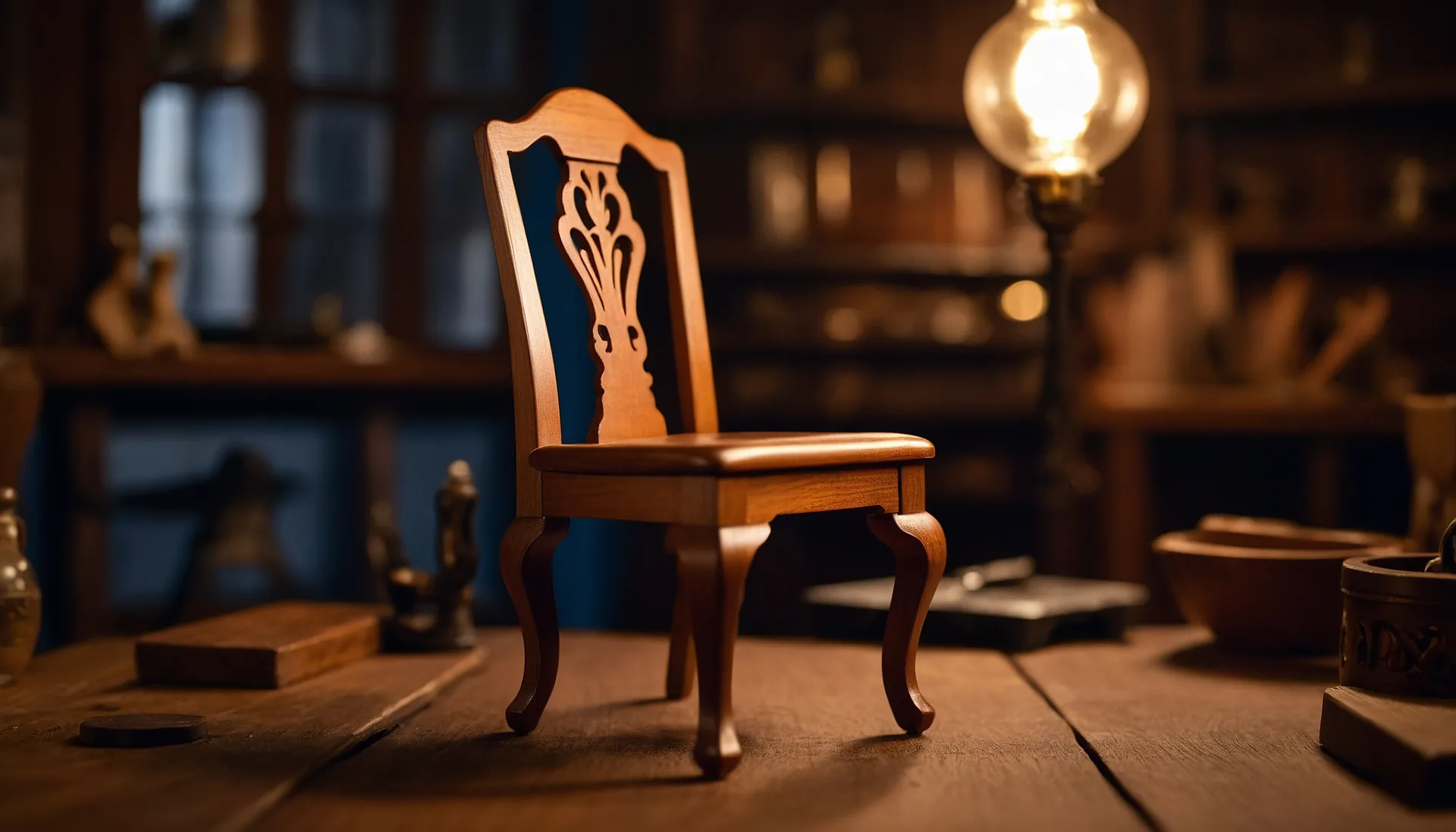
The Complete Guide to 1/12 Scale Miniature Furniture
Learn everything about 1/12 scale miniature furniture, from how measurements work to why this scale became the global standard for dollhouse collectors.
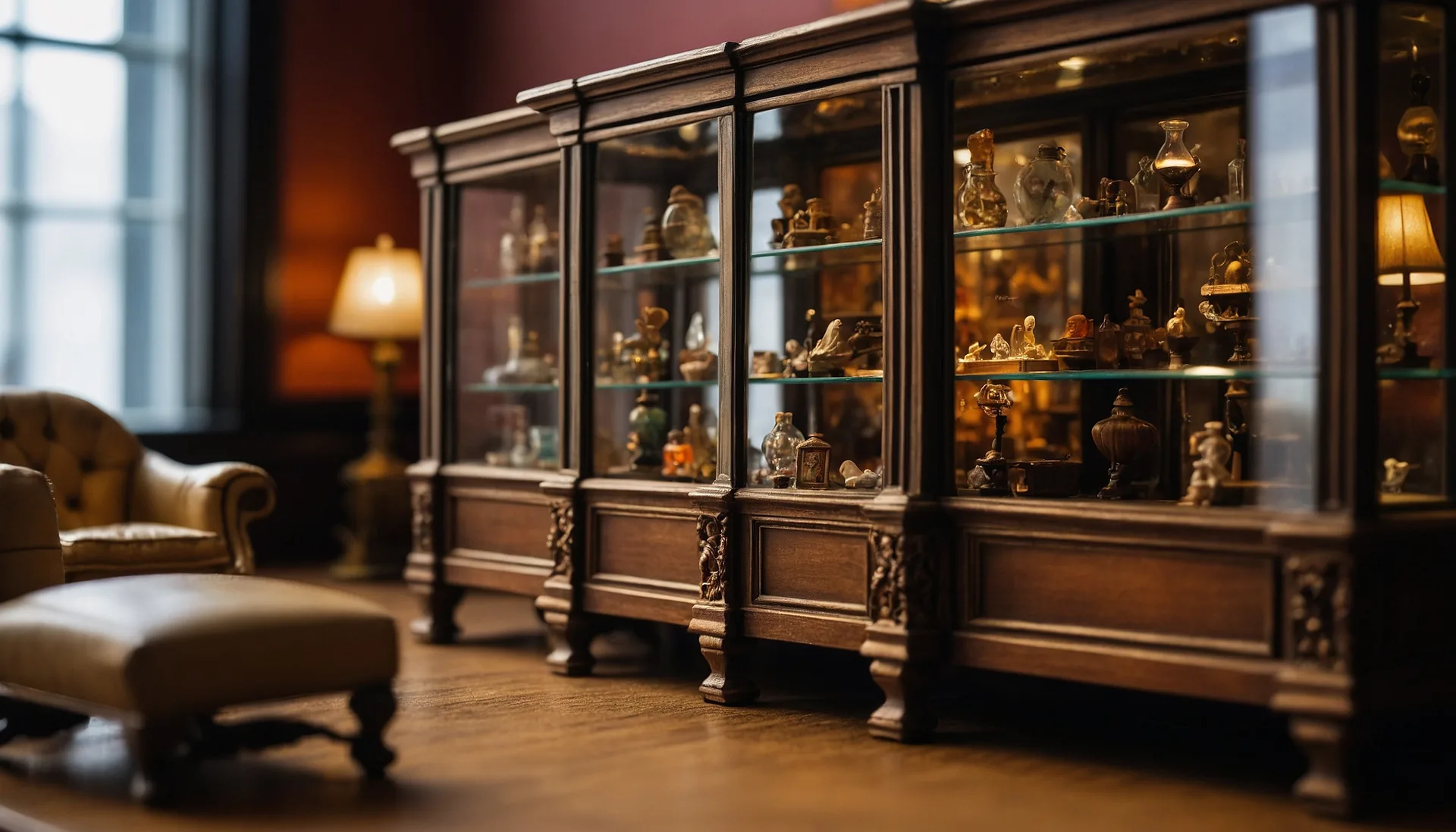
How to Start a Miniature Furniture Collection
Learn how to start a miniature furniture collection with this expert guide covering quality assessment, theme building, budgeting, and display tips.
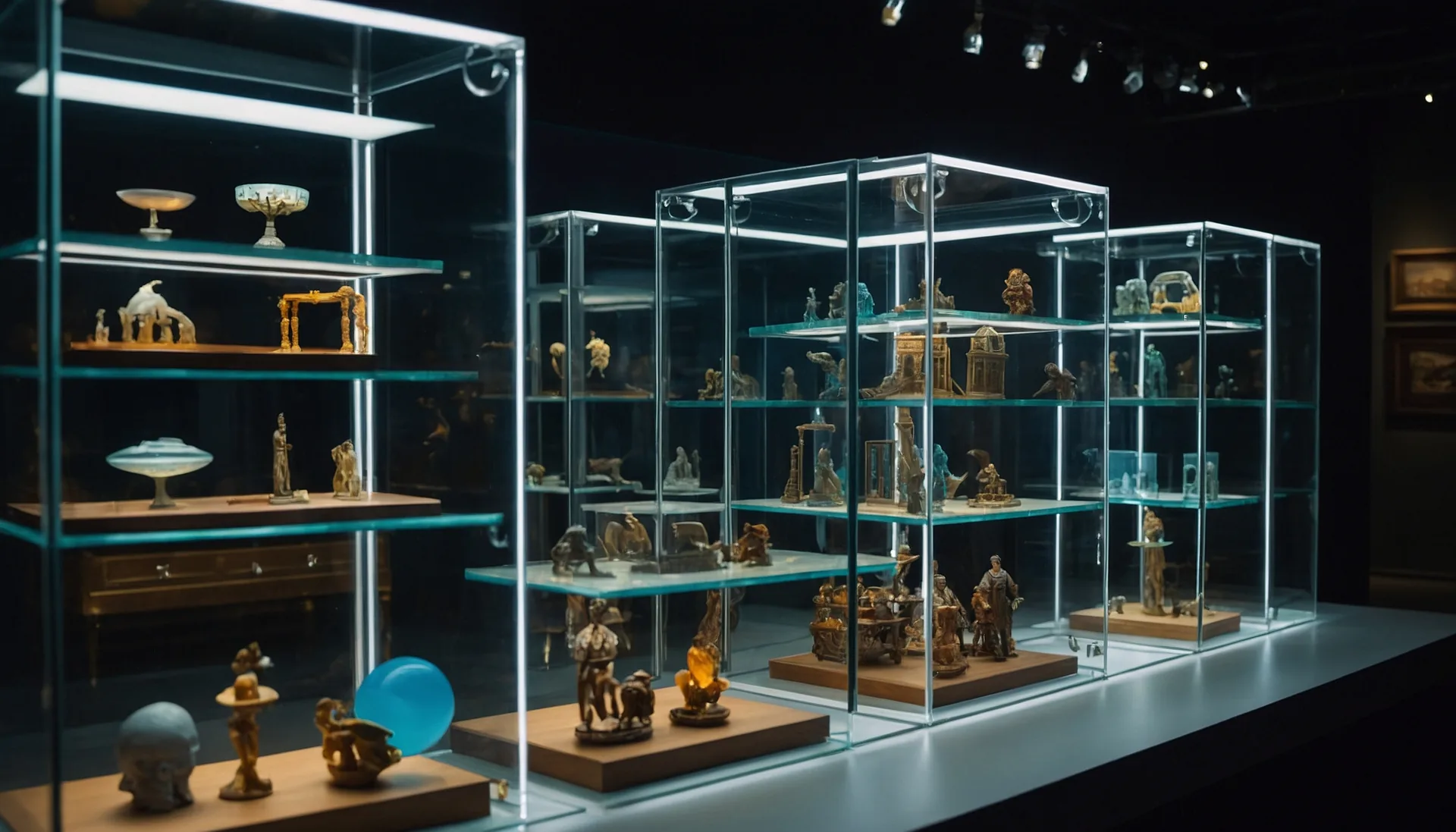
Displaying and Protecting Miniature Furniture Collections
Expert guide to displaying and protecting miniature furniture collections. Covers UV protection, humidity control, display cases, lighting, and insurance tips.