
How to Start a Miniature Furniture Collection
Learn how to start a miniature furniture collection with this expert guide covering quality assessment, theme building, budgeting, and display tips.
Starting a miniature furniture collection is one of the most rewarding hobbies I know. I have spent decades building pieces in my workshop, and I have watched countless collectors go from their first tentative purchase to curating extraordinary collections that bring them deep satisfaction. Whether you are drawn to the craftsmanship, the history, or simply the beauty of tiny furniture, this guide will help you begin your journey with confidence.
Why Collect Miniature Furniture?
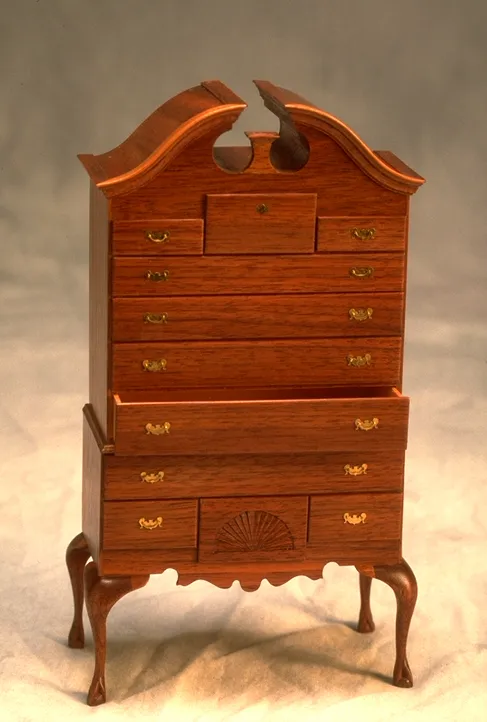
Before we dive into the practical details, it is worth understanding what makes miniature furniture collecting so compelling. Unlike many collectibles, fine miniature furniture represents a living craft tradition stretching back centuries. Each piece is a functional work of art, built using the same techniques as full-size furniture but demanding even greater precision. When you hold a 1/12 scale Queen Anne highboy with hand-cut cabriole legs, you are holding hundreds of hours of skilled handwork.
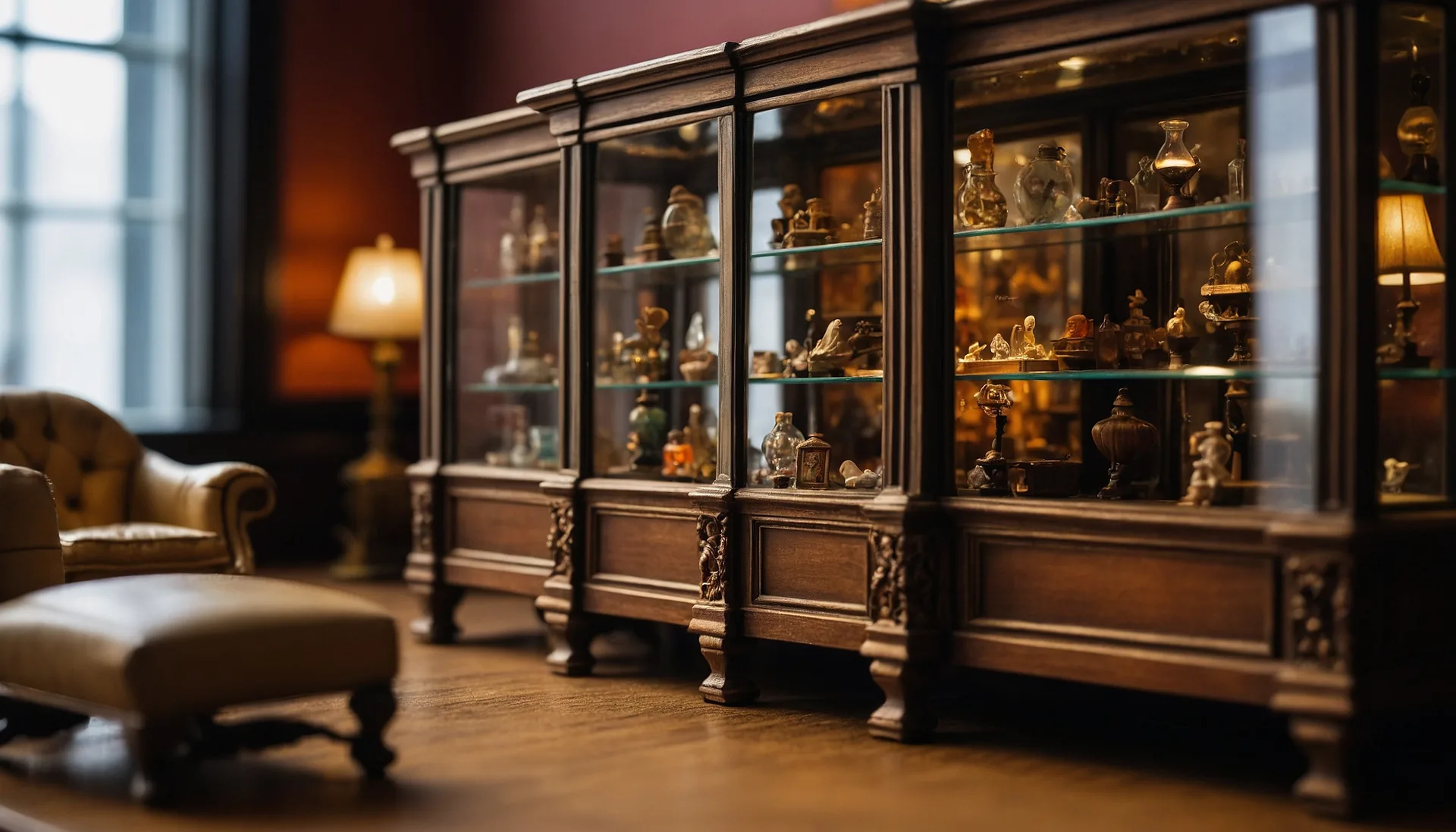
Collecting miniatures also offers something rare in the art world: accessibility. You do not need a mansion to display a world-class collection. A single glass cabinet can house pieces that represent extraordinary artistry.
Defining Your Collecting Focus
The first decision every new collector should make is choosing a focus. Without one, you will end up with a scattered assortment rather than a cohesive collection. Here are the most common approaches.
Collecting by Period
Many collectors choose a specific furniture period and build their collection around it. Popular periods include Queen Anne (1702-1760), Chippendale (1750-1790), Federal (1780-1820), Shaker (1780-1860), and Victorian (1837-1901). Focusing on a period lets you develop deep knowledge about construction methods, wood choices, and design details from that era.
Collecting by Room
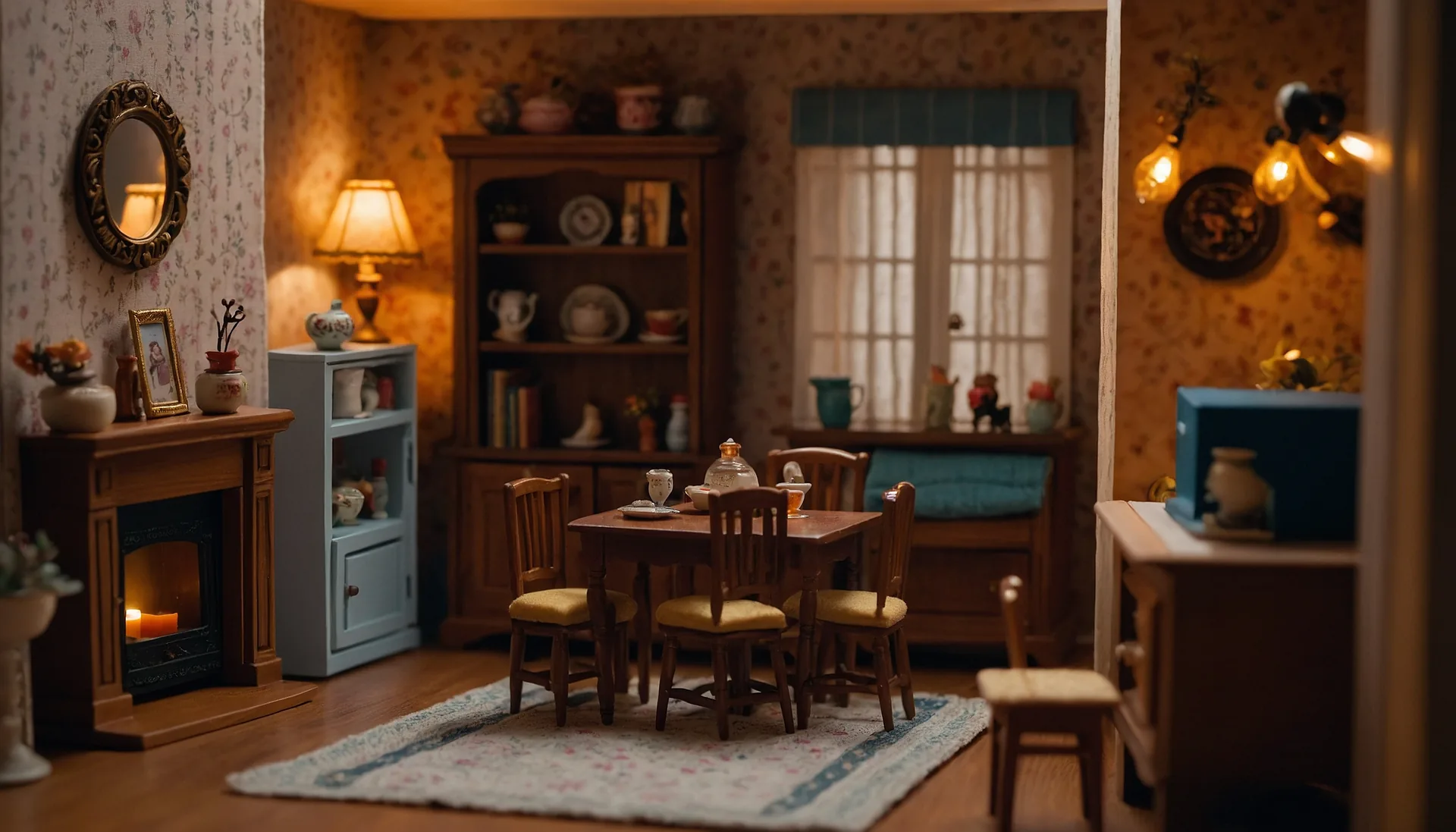
Another approach is to furnish complete miniature rooms. You might start with a colonial dining room, a Victorian parlor, or a Shaker bedroom. This approach is particularly satisfying because you see your collection come together as a unified scene. I discuss creating cohesive room settings in more detail in my post on dollhouse decorating with handcrafted furniture.
Collecting by Maker
Some collectors focus on acquiring work from specific artisans whose style and quality they admire. This approach mirrors fine art collecting and can be especially rewarding as you develop a relationship with makers and follow the evolution of their craft over time.
Collecting by Furniture Type
You might focus exclusively on chairs, clocks, desks, or beds. I know one collector who has assembled over forty miniature Windsor chairs from different makers. Each one demonstrates a slightly different interpretation of the form, and together they tell a fascinating story about the craft.
How to Assess Quality
Learning to evaluate quality is the most important skill a new collector can develop. Here is what to look for.
Materials
The first indicator of quality is the material. Fine miniature furniture is built from solid hardwoods such as mahogany, cherry, walnut, and maple. Pieces made from MDF, basswood, or plywood are generally hobby-grade rather than collector-grade. You can usually tell by looking at end grain, drawer sides, and the underside of the piece. For a deeper comparison, read my article on handcrafted vs kit-built miniatures.
Joinery
Real joinery is the hallmark of quality miniature work. Look for hand-cut dovetails on drawer boxes, mortise and tenon joints on chair frames, and properly fitted doors that swing on tiny hinges. Glue-and-butt joints, visible glue lines, and tabs suggest kit construction rather than scratch-built craftsmanship.
Finish
A fine finish should be smooth, even, and appropriate to the period. French polish, hand-rubbed oil, and lacquer are common among serious makers. Look for depth and warmth in the finish rather than a thick, plasticky coating. The grain of the wood should be visible and beautiful.
Proportion and Scale
Accurate 1/12 scale is essential. Measure pieces to confirm proportions. Wall thickness on cabinets, leg diameter on chairs, and overall dimensions should all feel right. Pieces that look slightly “off” are often built to an imprecise scale or have proportions borrowed from a different furniture period.
Functionality
In the finest miniature furniture, drawers open smoothly, doors close properly, drop leaves fold, and lids lift. Functional details separate museum-quality work from decorative pieces. I discuss this distinction further in my post on museum-quality miniatures.
Where to Find Quality Pieces
Finding fine miniature furniture takes some effort, but there are excellent sources available to collectors at every level.
Artisan Websites and Studios
Many makers, including myself, sell directly through their websites. This gives you the opportunity to learn about the maker’s background, see their full body of work, and sometimes commission custom pieces. Visit my gallery to see examples of what a dedicated artisan produces.
Miniature Shows and Exhibitions
Shows like the Chicago International Miniature Show, the Kensington Dollshouse Festival, and guild shows across North America and Europe are treasure troves for collectors. You can examine pieces in person, meet makers, and discover new artisans. I cover the best shows in my guide to miniature furniture exhibitions.
Auction Houses
Major auction houses occasionally feature miniature furniture collections, and specialized miniature auctions can yield remarkable finds. Online platforms have also made auction buying more accessible than ever.
Miniature Guilds and Clubs
Organizations like the National Association of Miniature Enthusiasts (NAME) connect collectors with makers and other collectors. Membership often includes access to exclusive sales, workshops, and regional events.
Budgeting Your Collection
Miniature furniture collecting can accommodate nearly any budget, but it helps to understand the price landscape. Hobby-grade pieces might cost anywhere from five to fifty dollars. Mid-range artisan work typically runs from one hundred to five hundred dollars per piece. Museum-quality work from established makers can range from five hundred to several thousand dollars for complex pieces like secretary desks or tall case clocks.
My advice to new collectors is to start with one or two quality pieces rather than many inexpensive ones. A single beautifully crafted piece will teach you more about quality than a dozen mass-produced items, and it will hold its value far better. Read more about the financial side in my post on the investment value of artisan miniature furniture.
Display Considerations
How you display your collection matters enormously, both for enjoyment and preservation. UV-protective glass cases are ideal for protecting pieces from light damage and dust. Climate control is important, as wood expands and contracts with humidity changes. Good lighting brings out the beauty of fine wood and finish.
I go into much greater detail about display options, lighting, and conservation in my dedicated guide to displaying and protecting your miniature furniture collection.
Documentation and Authentication
From the very beginning, document every piece you acquire. Record the maker, date of purchase, price paid, materials, dimensions, and any provenance information. Photograph each piece from multiple angles. This documentation protects your investment, helps with insurance, and adds value if you ever decide to sell.
Many established makers provide certificates of authenticity or maker’s marks. These are important for establishing provenance, especially for pieces that may appreciate significantly over time.
Taking the First Step
The best way to start collecting is simply to start. Visit a miniature show, browse artisan websites, or reach out to a maker whose work speaks to you. Handle pieces whenever possible. Train your eye by studying museum collections and reading about furniture history. And above all, collect what moves you. The finest collections are built on genuine passion, not speculation.
If you have questions about starting your collection or want to discuss a custom piece, I would love to hear from you. Reach out through my contact page, and let us talk about bringing your vision to life.
Continue Your Journey
Related Articles
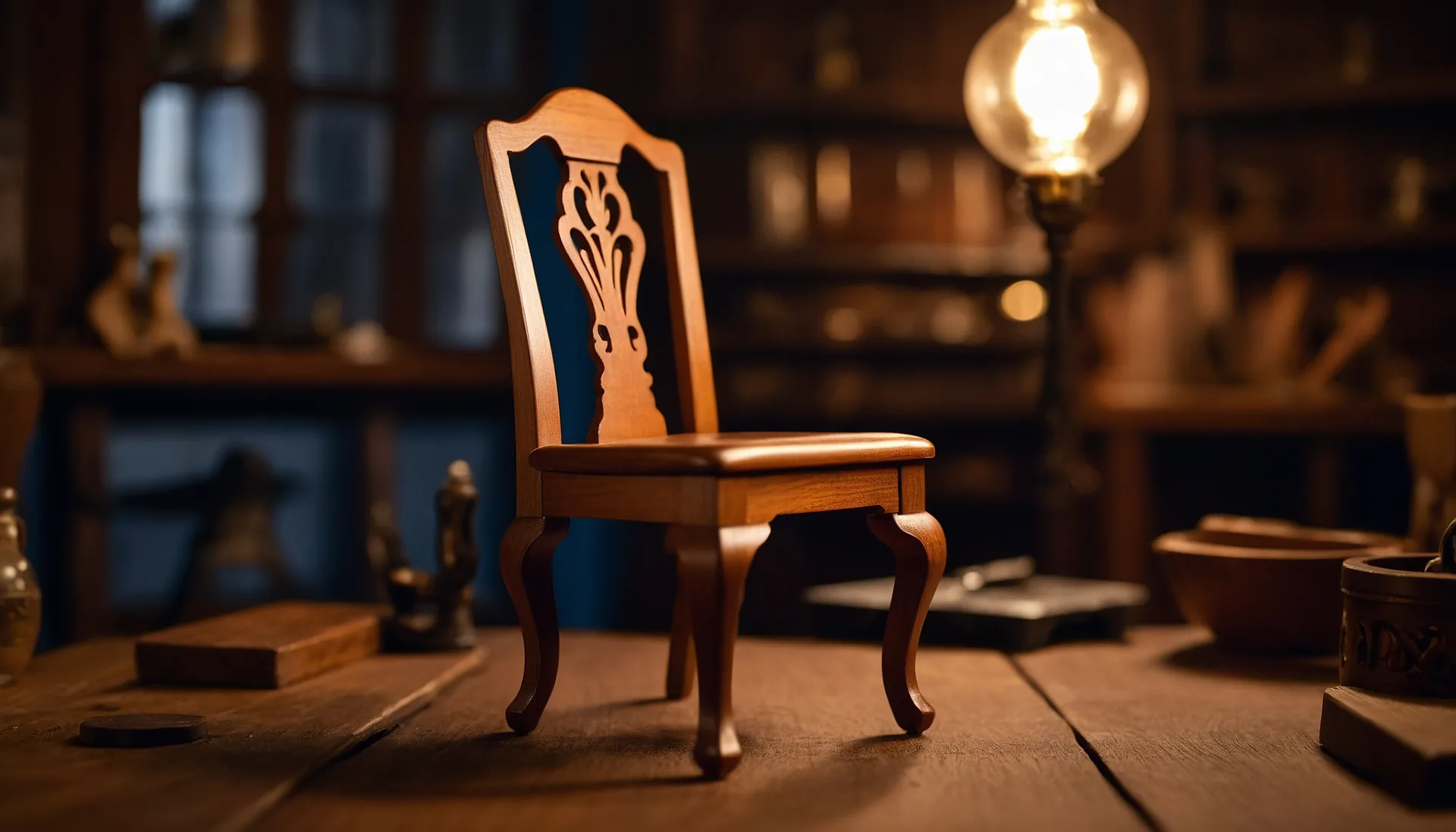
The Complete Guide to 1/12 Scale Miniature Furniture
Learn everything about 1/12 scale miniature furniture, from how measurements work to why this scale became the global standard for dollhouse collectors.
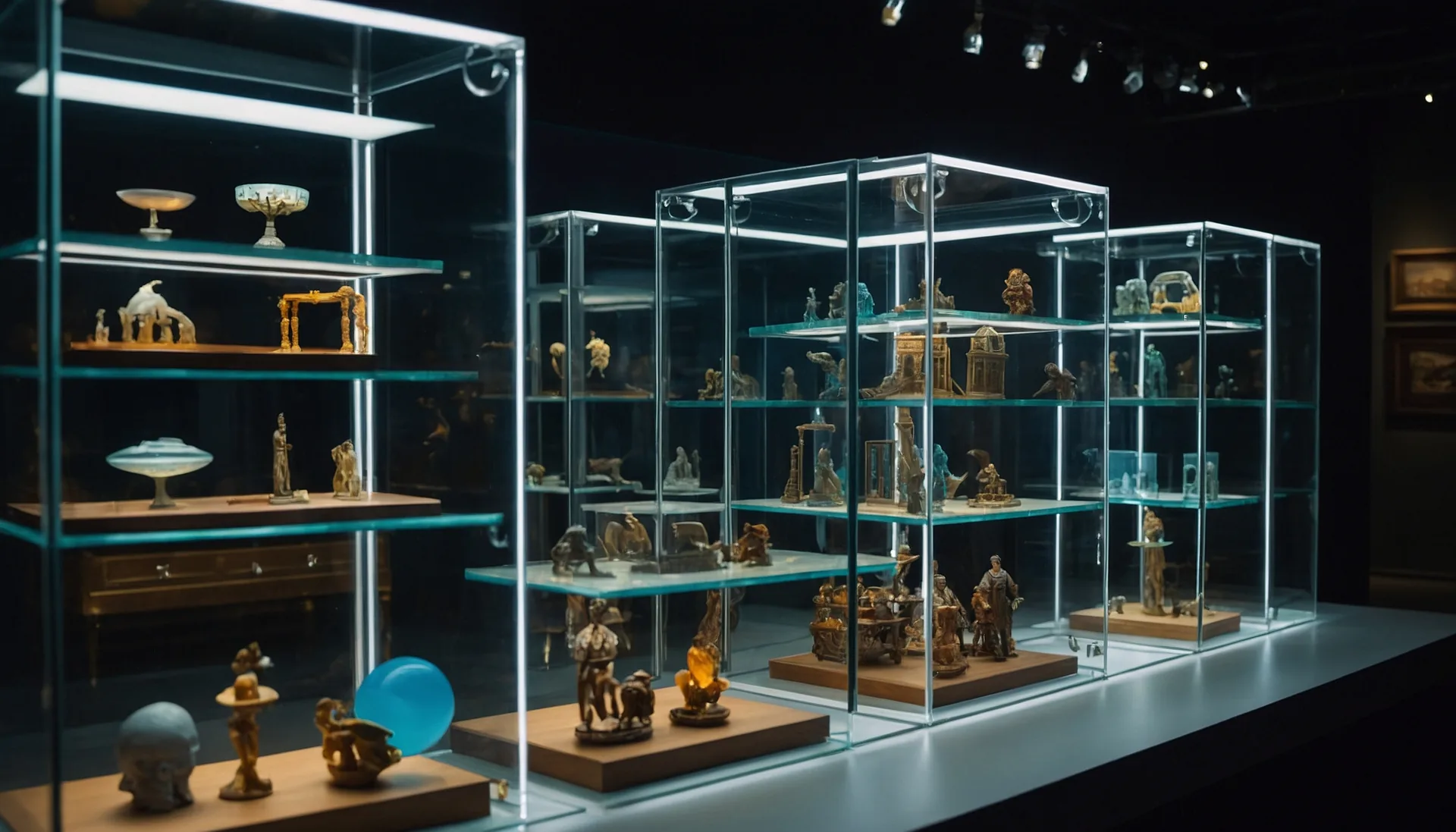
Displaying and Protecting Miniature Furniture Collections
Expert guide to displaying and protecting miniature furniture collections. Covers UV protection, humidity control, display cases, lighting, and insurance tips.
Dollhouse Decorating with Handcrafted Furniture
Learn expert dollhouse decorating tips using handcrafted miniature furniture. Create cohesive room settings with period-accurate pieces and realistic details.