
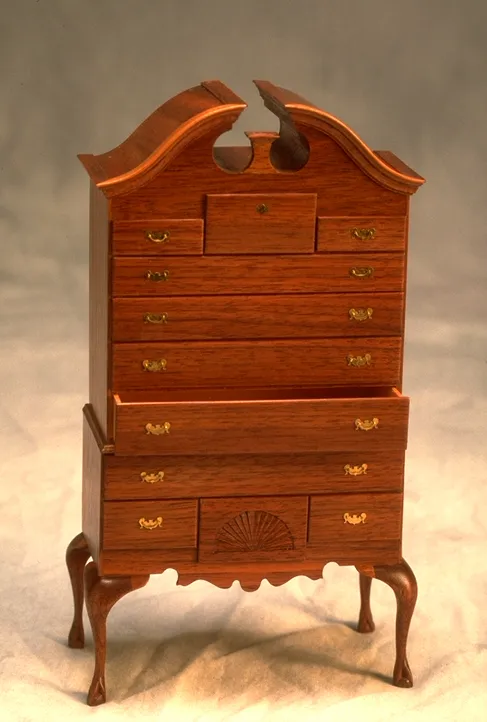
Essential Miniature Woodworking Tools Every Craftsman Needs
A complete guide to miniature woodworking tools, from micro chisels and jeweler's saws to magnification and finishing supplies for 1/12 scale furniture.
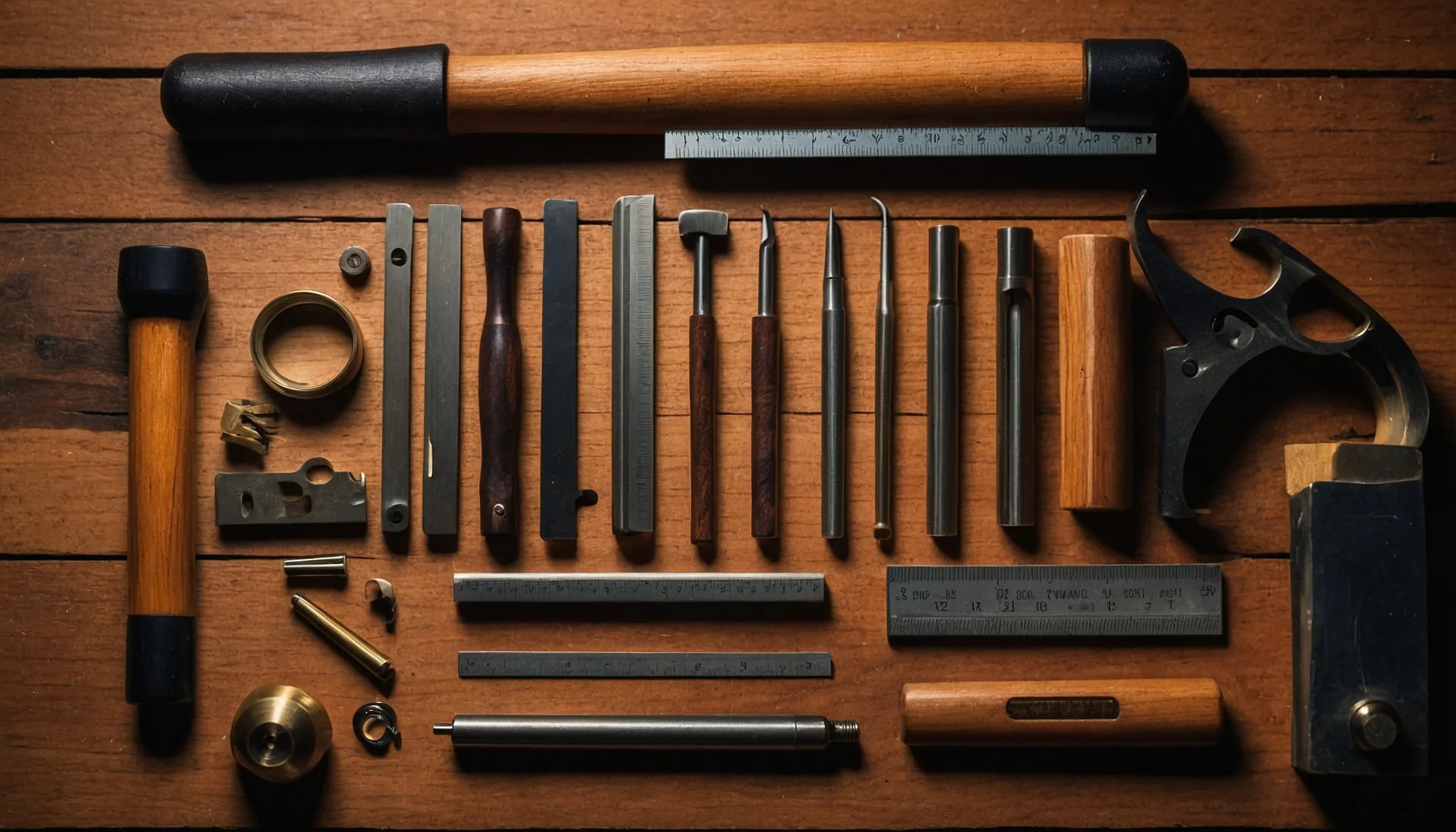
The right tools make miniature woodworking possible. The wrong tools make it frustrating. Over years at the bench I have refined my toolkit to the essentials, discarding gimmicks and keeping the instruments that genuinely earn their place. Whether you are just starting out or looking to upgrade your setup, this guide covers every category of tool you will need for serious 1/12 scale miniature furniture making.
I should note upfront that good tools are an investment, not an expense. A quality micro chisel will serve you for decades. A cheap one will dull quickly, chip at the edge, and produce inferior work from the first cut. Buy the best you can afford and add to your collection gradually as your skills demand new capabilities.
Cutting Tools
Cutting is the foundation of every project. At miniature scale, your cuts need to be precise, clean, and controllable.
Jeweler’s Saw
This is arguably the single most important tool in a miniature maker’s kit. A jeweler’s saw frame with an adjustable throat accepts extremely fine blades that can cut curves, straight lines, and intricate shapes in hardwood, metal, and plastic.
Look for a frame with at least a three-inch throat depth. For general miniature woodworking, I recommend starting with 2/0 blades and keeping 1/0 and 3/0 on hand for heavier and finer cuts respectively. Buy blades in bulk because they break. This is normal and expected, not a sign that you are doing something wrong.
Razor Saw
A razor saw, also called a fine-tooth pull saw, excels at straight cuts. The thin kerf removes minimal material, and the fine teeth leave a surface that needs very little cleanup. A razor saw with 40 or more teeth per inch is ideal for miniature joinery cuts.
Craft Knife
A sharp craft knife handles scoring, trimming, paring thin shavings, and cutting sheet materials. I prefer scalpel-style handles that accept replaceable surgical blades. The key is blade freshness. Change your blade far more often than you think necessary. A blade that has made fifty cuts in hardwood is no longer sharp enough for precision work.
Micro Hand Planes
These diminutive planes, typically one to three inches long, are used for truing edges, flattening surfaces, and fitting joints. A small block plane and a tiny smoothing plane cover most needs. The blades must be kept razor sharp through regular honing. If you are setting up your workshop, make space for a sharpening station near your bench.
Shaping Tools
Once parts are cut to rough size, shaping tools bring them to their final dimensions and profiles.
Micro Chisels
A set of micro chisels ranging from 1/32 inch to 1/4 inch wide will handle mortise cutting, joint fitting, and detail carving. Look for chisels with hardened steel blades and comfortable handles that allow precise control. You will use these constantly, so quality matters enormously here.
Flat chisels are the first priority. Once you have those mastered, consider adding a few gouges with different sweeps for carved details like shell motifs and claw feet.
Needle Files
A complete set of needle files in different profiles is essential for refining shapes, smoothing curves, and fitting joints. My set includes flat, round, half-round, triangular, square, and knife-edge profiles. Swiss-made needle files tend to offer the best cut quality and longevity.
Miniature Rasps and Rifflers
For faster material removal before finishing with files, miniature rasps are invaluable. Rifflers, which are small curved rasps, excel at reaching into concave surfaces and tight corners that flat tools cannot access.
Sandpaper and Sanding Aids
Miniature work demands a range of grits. I keep 150, 220, 320, 400, and 600 grit papers on hand at all times. Cut sandpaper into small strips and wrap them around shaped wooden blocks, dowels, or craft sticks to create sanding tools that match the profile of whatever surface you are working. Foam-backed sanding pads are also useful for curved surfaces.
Measuring and Marking
Accuracy at 1/12 scale means accuracy within fractions of an inch. Your measuring and marking tools need to support that level of precision.
Steel Rulers
A six-inch steel ruler with fine graduations is the workhorse. I also keep a twelve-inch ruler for layout work on larger pieces. Make sure the markings are etched into the steel, not printed. Printed markings wear off.
Calipers
A good pair of dial or digital calipers lets you measure thickness, width, and depth with precision. This is essential for ensuring that matching components like table legs or chair stretchers are truly identical. Calipers also help verify that your wood stock is the thickness you think it is before you commit to cutting.
Marking Gauges
A miniature marking gauge scribes consistent lines parallel to an edge. This is critical for laying out joints. You can buy dedicated miniature marking gauges or modify a standard one to work at smaller scales.
Mechanical Pencils and Marking Knives
A fine-lead mechanical pencil produces fine lines suitable for layout work. For even greater precision, a marking knife scores a line that your chisel or saw can register against. The knife line eliminates the width of a pencil line from your measurement, which matters when you are working to tolerances of a few thousandths of an inch.
Small Squares and Protractors
An engineer’s square with a two-inch blade is perfect for checking right angles on miniature components. A small protractor or angle gauge helps with angled joints and splayed legs.
Holding and Clamping
You cannot do precise work on a piece that moves. Holding miniature components securely without damaging them is a challenge that demands purpose-designed solutions.
Pin Vise or Small Bench Vise
A pin vise mounted to your bench is essential for holding small parts while cutting and shaping. Look for one with padded jaws that grip without marring. Some miniaturists line their vise jaws with leather or cork for additional protection.
Miniature Clamps
Small spring clamps, micro bar clamps, and watchmaker’s clamps apply controlled pressure during glue-ups. I keep at least a dozen on hand because complex assemblies can require many clamps simultaneously.
Improvised Clamping Solutions
Wooden clothespins, binder clips, rubber bands, and even masking tape serve as effective clamps for miniature work. Do not underestimate these humble tools. A clothespin with a small piece of leather glued to each jaw makes an excellent miniature clamp.
Holding Jigs
As your work becomes more complex, you will find yourself building small jigs to hold pieces at specific angles for cutting or drilling. A simple V-block carved from scrap wood can hold a round piece securely. A mitre box sized for miniature stock ensures consistent angled cuts.
Magnification and Lighting
These are not luxuries. They are necessities. Working on details you cannot see clearly is a recipe for eyestrain, mistakes, and poor-quality results. I dedicate an entire section to this in my workshop setup guide.
Magnifying Headband
An optivisor or similar magnifying headband leaves both hands free while providing two to three times magnification. This is my most-used magnification tool. Choose one with interchangeable lenses so you can increase magnification for especially fine work.
Desk Magnifier with Light
A swing-arm magnifier lamp combines magnification with task lighting. Position it over your primary work area for detailed operations like joint fitting and finishing.
Task Lighting
Bright, shadow-free lighting reveals defects and details that dim or directional light hides. I use adjustable LED task lights with high color rendering index ratings. Good lighting makes everything easier and reduces eye fatigue.
Drilling
Many miniature furniture pieces require tiny holes for pins, dowels, hinges, or hardware.
Pin Vise Hand Drill
A pin vise with a set of micro drill bits from 1/64 to 1/8 inch handles most miniature drilling needs. Hand drilling gives you full control over depth and angle, which is critical when a drill bit could punch through a piece that is only a fraction of an inch thick.
Micro Drill Press
For repetitive drilling or when perpendicular holes are critical, a small drill press provides consistency. Some miniaturists mount a rotary tool in a drill press stand as an affordable alternative.
Finishing Supplies
The finish makes or breaks a miniature piece. I cover finishing techniques in depth in my finishing guide, but here are the tools and supplies you will need.
Fine Brushes
High-quality artist brushes in sizes 0 through 4 apply stain and finish with the control that miniature surfaces demand. Natural hair brushes generally outperform synthetics for oil-based finishes.
French Polishing Supplies
If you want to achieve the highest quality finish on your miniature furniture, French polishing is worth learning. You will need shellac flakes, denatured alcohol, and cotton wadding wrapped in lint-free cloth to form a polishing pad called a rubber.
Spray Equipment
For lacquer finishes, a small airbrush gives you the thin, even coats that miniature surfaces require. A full-size spray gun deposits far too much material at once for pieces this small.
Building Your Collection Over Time
You do not need every tool on this list to get started. My beginner’s guide recommends a minimal starter kit that will see you through your first several projects. As you take on more ambitious pieces, you will naturally identify the tools you need next.
Visit my gallery to see what these tools can produce in practiced hands, and feel free to reach out through my contact page if you have questions about specific tools or recommendations for your skill level. The right toolkit is a personal thing, and it evolves with you as you grow as a maker.
Continue Your Journey
Related Articles
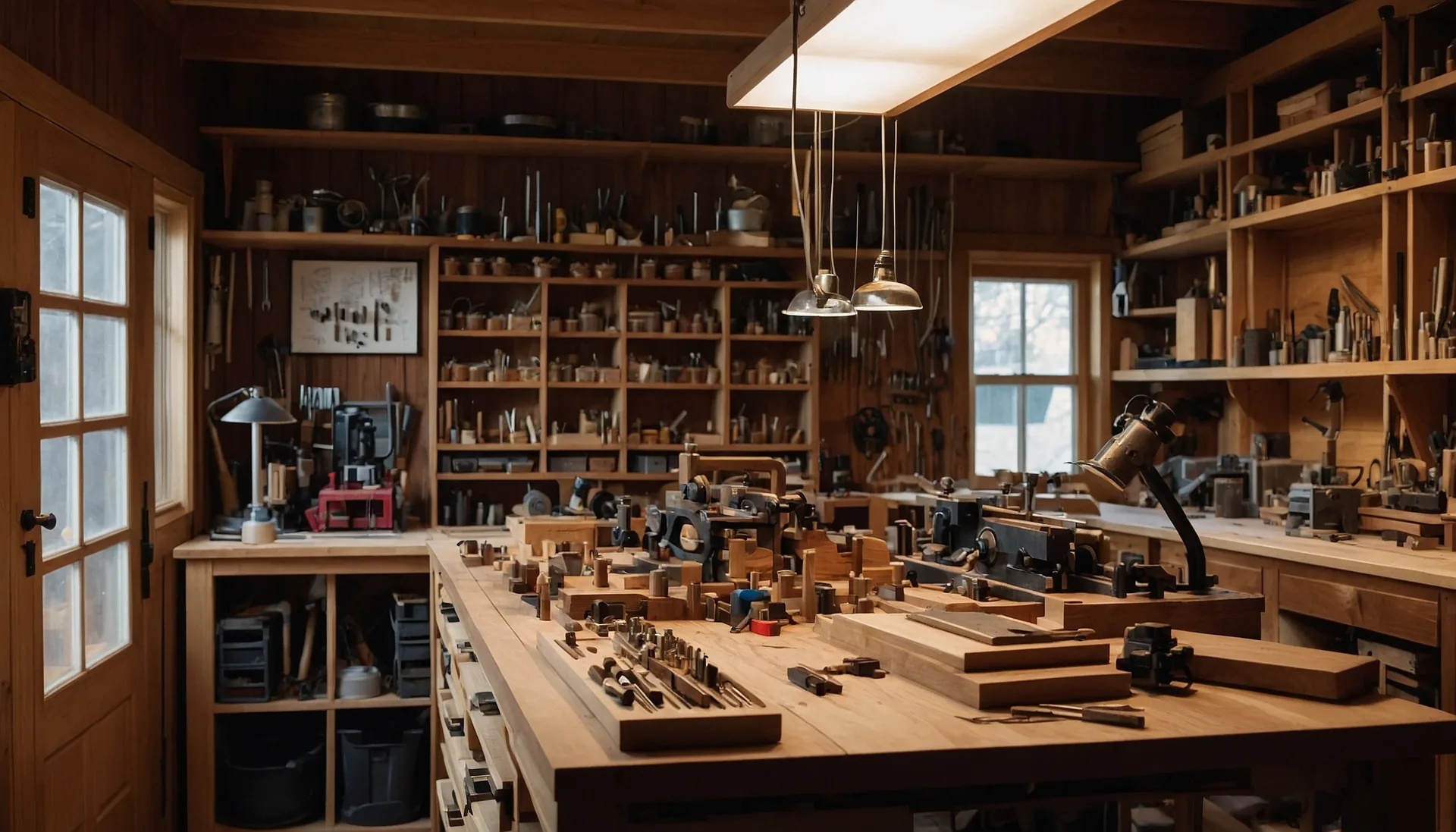
Setting Up Your Miniature Woodworking Workshop
Plan your miniature woodworking workshop with this guide to workbenches, lighting, magnification, dust collection, and storage for 1/12 scale furniture.

Miniature Tall Case Clocks: The Ultimate Challenge
Discover why miniature tall case clocks are the ultimate 1/12 scale woodworking challenge. Expert guide to case construction, dial faces, and finial turning.
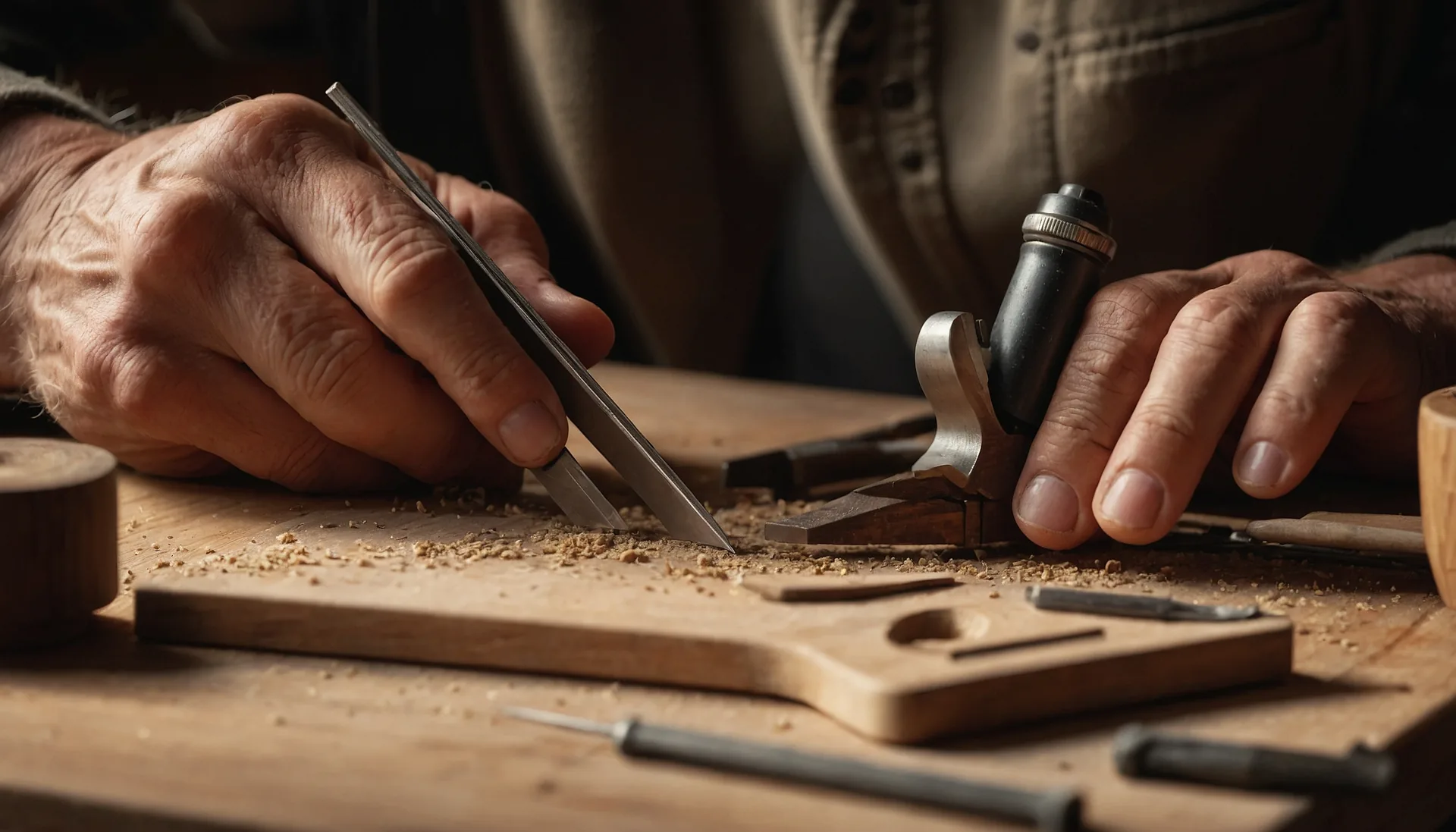
Miniature Woodworking for Beginners: Where to Start
A practical beginner's guide to miniature woodworking. Learn the mindset, first tools, starter projects, and common mistakes to avoid in small scale work.