
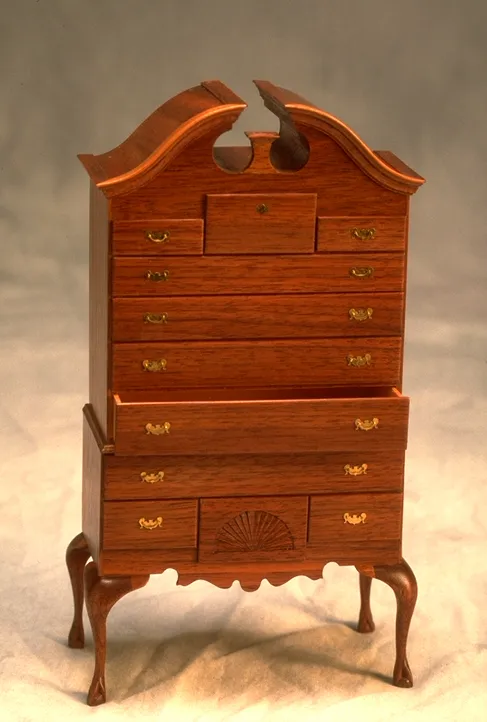
How to Choose the Right Wood for Miniature Furniture
Discover the best wood species for miniature furniture making. Compare mahogany, cherry, walnut, boxwood, and more for grain scale and workability.
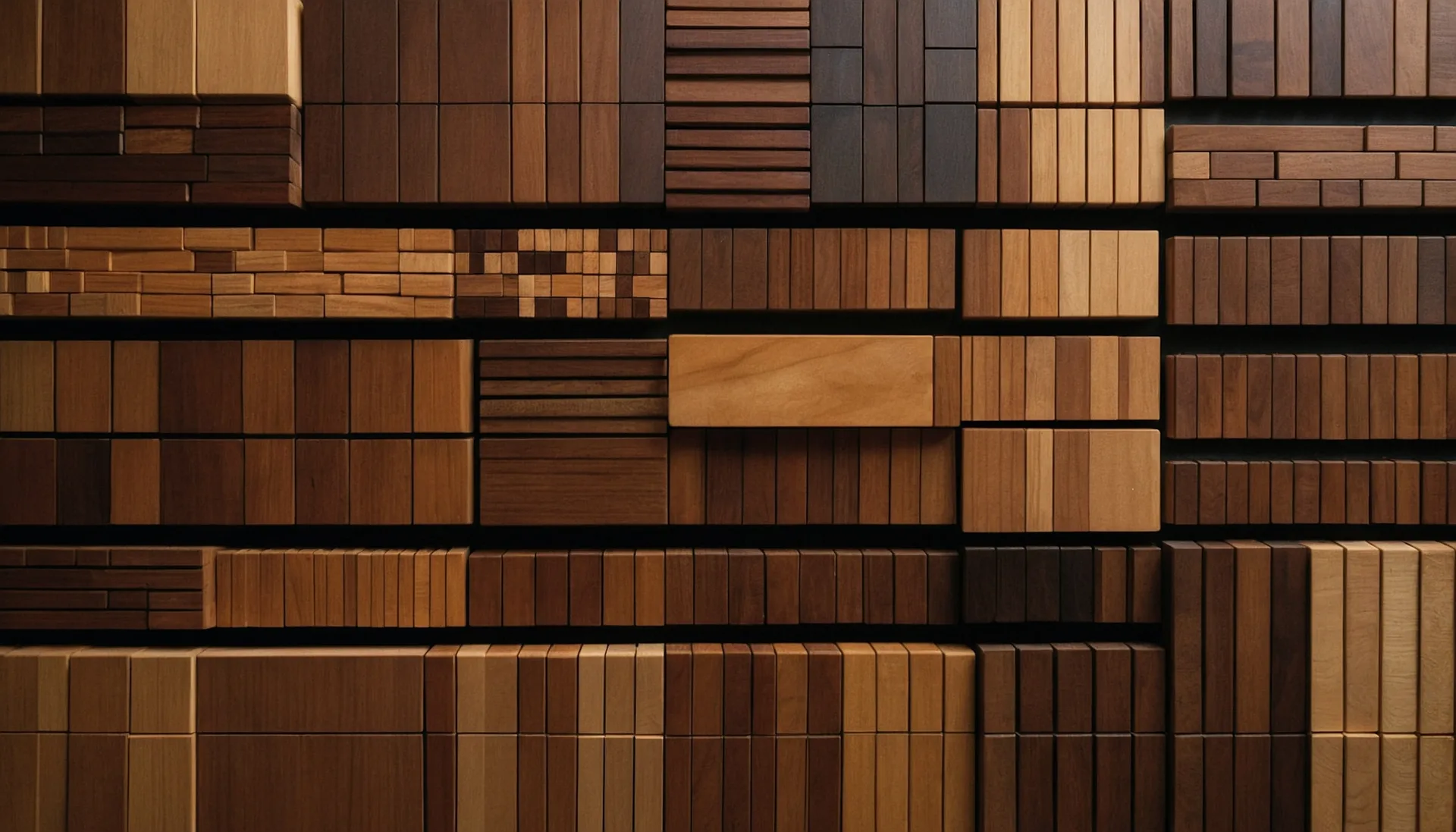
Choosing the right wood for miniature furniture is one of the most important decisions you will make on every project. A species that looks magnificent on a full-size dining table can look completely wrong at 1/12 scale. The grain pattern, pore structure, and color all need to work in miniature, and not all woods pass that test.
Over the years I have worked with dozens of species, and I have developed strong opinions about which ones belong in the miniature workshop and which ones should stay in the full-size shop. This guide shares everything I have learned about wood selection for 1/12 scale miniature furniture.
Why Wood Choice Matters More at Miniature Scale
When you build a full-size chest of drawers from oak, the grain pattern is in proportion to the piece. The pores, the figure, the color variation all read as natural and appropriate. Shrink that same piece to 1/12 scale and the oak grain suddenly looks enormous. Each pore becomes a visible crater. The growth rings look like they belong to a different tree entirely.
This is the fundamental challenge of wood selection for miniatures. The grain must scale visually along with everything else. A piece of miniature furniture should look like it was built from miniature lumber, not carved from an oversized plank.
The Best Woods for Miniature Furniture
These are the species I turn to most frequently, listed roughly in order of how often I use them.
Cherry
Cherry is my go-to wood for a wide range of miniature furniture projects. Its fine, even grain scales beautifully to 1/12. The warm reddish-brown color deepens naturally with age and light exposure, just as it does on full-size pieces. Cherry cuts cleanly, holds detail well, and takes finishes predictably.
At miniature scale, cherry has enough visual warmth to look like a premium furniture wood without the coarse grain that disqualifies many other hardwoods. It stains well when you want to simulate darker woods, and it looks beautiful with nothing more than a clear finish. If I could only use one species for the rest of my miniature-making career, cherry would be the one.
Maple (Hard Maple)
Hard maple offers an extremely fine, tight grain that is nearly invisible at 1/12 scale. This makes it ideal for pieces where you want the shape and form to dominate rather than the wood figure. Shaker furniture, painted pieces, and any style that calls for a clean, pale wood benefit from maple.
Maple is also exceptionally hard, which can be both an advantage and a challenge. The hardness means it holds crisp edges and fine details, but it also demands sharp tools and careful cutting technique. A dull chisel will tear maple fibers rather than shearing them cleanly.
Figured maple like bird’s eye or tiger maple should generally be avoided at miniature scale. The figure that looks striking on a full-size table becomes confusing and chaotic when reduced to 1/12. Stick with plain, straight-grained stock.
Boxwood
Boxwood is the miniaturist’s luxury wood. Its grain is so fine that it is nearly invisible to the naked eye, even at full size. At 1/12 scale, boxwood looks almost like ivory. It is extraordinarily hard, takes the sharpest possible edge details, and turns beautifully on a miniature lathe.
The drawbacks are cost and availability. Boxwood is expensive compared to other furniture woods, and finding pieces large enough for even miniature components can be difficult. It also darkens to a rich honey color over time, which is beautiful but may not suit every project.
I use boxwood for my most demanding pieces, particularly when turned elements like finials, legs, or knobs require the finest possible detail.
Walnut
Walnut brings a rich, dark tone that is perfect for period furniture reproductions. The grain is moderately fine and scales reasonably well to 1/12, though pieces cut from tight-grained sections of the log work best. Avoid the wider-grained sapwood.
Walnut works easily with both hand and power tools. It cuts, carves, and sands predictably, and it takes oil and wax finishes with particular grace. For Federal period, Victorian, and mid-century modern miniatures, walnut is often my first choice.
Pear
Pear wood is a hidden gem in the miniature woodworking world. Its grain is extremely fine and even, similar to boxwood but more readily available and more affordable. The color is a warm pinkish-brown that darkens modestly with age.
Pear carves exceptionally well, making it ideal for miniature pieces with carved details. It also turns smoothly and takes a beautiful finish. If you cannot source boxwood, pear is the next best option for pieces demanding maximum detail fidelity.
Holly
Holly is the whitest native hardwood available, and its grain is fine enough for excellent miniature work. I use holly when a project calls for a pale wood, for inlay work, or for pieces that will be painted where a smooth, poreless surface matters more than color.
Holly is moderately difficult to work due to its interlocked grain, which can tear if your tools are not extremely sharp. It also has a tendency to warp if not properly dried and stored. Despite these challenges, the finished results justify the effort.
Mahogany (Genuine)
Genuine mahogany, when you can source tight-grained stock, produces gorgeous miniature furniture. The color is rich and warm, and it has been the wood of choice for fine furniture for centuries. The key is selecting pieces with fine, straight grain. The open-pored, ribbon-striped mahogany that works well at full size will look coarse and exaggerated in miniature.
Honduran mahogany tends to have tighter grain than African varieties. If you find a piece with very fine pores and straight grain, set it aside for your best miniature projects.
Woods to Avoid
Some species that are staples of full-size woodworking simply do not work at miniature scale.
Oak
Both red and white oak have large, open pores and prominent grain that overwhelm miniature proportions. A 1/12 scale oak table looks like it was carved from driftwood. The grain is simply too coarse to create a convincing miniature.
Ash
Like oak, ash has a ring-porous structure with visible grain lines that are far too large for miniature work. The contrast between early wood and late wood creates a striped appearance that does not scale down convincingly.
Pine and Other Softwoods
Softwoods are tempting because they are cheap and easy to cut, but they have several problems at miniature scale. The grain is typically too prominent, the wood is too soft to hold fine details, and the resin content can interfere with certain finishes. Softwoods also crush easily under clamp pressure during assembly.
Basswood (With Caveats)
Basswood is extremely popular in the general craft and model-making world, and you will find it recommended in many beginner guides. While it is easy to cut and widely available, I find it unsuitable for fine miniature furniture. It has a fuzzy, fibrous texture that does not take stain evenly, and the finished surface lacks the crispness that hardwoods provide. For practice pieces or painted work it is acceptable, but for furniture that showcases the natural beauty of wood, choose something better.
Where to Source Miniature-Scale Lumber
Finding appropriate wood for miniature work requires different sourcing strategies than full-size woodworking.
Specialty Suppliers
Several online suppliers cater specifically to miniaturists and luthiers, offering small pieces of fine-grained hardwood at reasonable prices. Luthier supply companies are particularly good sources because instrument makers share our need for tight, straight-grained wood.
Woodworking Shows and Clubs
Local woodworking clubs and shows often have members with offcuts of exotic and domestic hardwoods that are too small for full-size projects but perfect for miniature work. A piece of boxwood the size of your palm can yield dozens of miniature components.
Salvage and Reclamation
Old furniture, broken musical instruments, and architectural salvage can yield well-seasoned hardwood that has already proven its stability. A broken antique drawer side might provide decades-old cherry that has aged to a deep, rich tone.
Your Own Offcuts
If you do any full-size woodworking, save your offcuts. That scrap piece of cherry from a cutting board project might become a miniature dining table. Keep a box in your workshop specifically for pieces that are too small for conventional work but ideal for miniatures.
Preparing Wood for Miniature Use
Once you have sourced your lumber, proper preparation is critical.
Resawing and Thicknessing
Most of your miniature components will be cut from stock that is just a fraction of an inch thick. Resawing on a bandsaw and then thicknessing with a drum sander or by hand with a miniature plane gives you stock at the dimensions you need. Always resaw slightly oversize and plane to final thickness after the wood has had time to relax and release any internal stresses.
Grain Orientation
Pay attention to grain direction when cutting components. Legs should have grain running along their length for strength. Tabletops should have grain running across the width as they would on a full-size table. Getting grain orientation right is part of what makes a miniature look authentic.
Storage
Store your miniature lumber in a stable environment. Small pieces are especially vulnerable to changes in humidity, which can cause warping, cupping, and cracking. A sealed container with a small silica gel packet helps maintain consistent moisture content.
Matching Wood to Furniture Period
Part of creating convincing miniature furniture is using wood species that are historically appropriate for the style you are reproducing.
- Queen Anne and Chippendale: Walnut, mahogany, cherry
- Federal and Hepplewhite: Mahogany, satinwood inlays
- Shaker: Cherry, maple, pine (in this case, the simplicity of the design compensates for pine’s grain issues)
- Victorian: Walnut, mahogany, rosewood
- Arts and Crafts: Quarter-sawn oak (difficult at miniature scale; cherry stained dark is a common substitute)
- Mid-Century Modern: Walnut, teak (select tight-grained pieces)
Understanding these associations helps you choose wood that supports the historical story your miniature is telling. You can see examples of period-appropriate wood choices throughout my gallery.
Final Thoughts on Wood Selection
The right wood transforms a miniature from something that looks like a model into something that looks like a shrunken piece of real furniture. Take the time to source quality material, learn how each species behaves at miniature scale, and build a collection of go-to woods that you know and trust.
If you are just starting out, begin with cherry. It is forgiving, beautiful, widely available, and scales well. As your skills and ambitions grow, explore pear, boxwood, and the other specialty woods that give master miniaturists their competitive edge. For guidance on shaping and cutting these woods, see my guides on essential tools and miniature joinery.
Every great piece of miniature furniture starts with a great piece of wood. Choose wisely.
Continue Your Journey
Related Articles
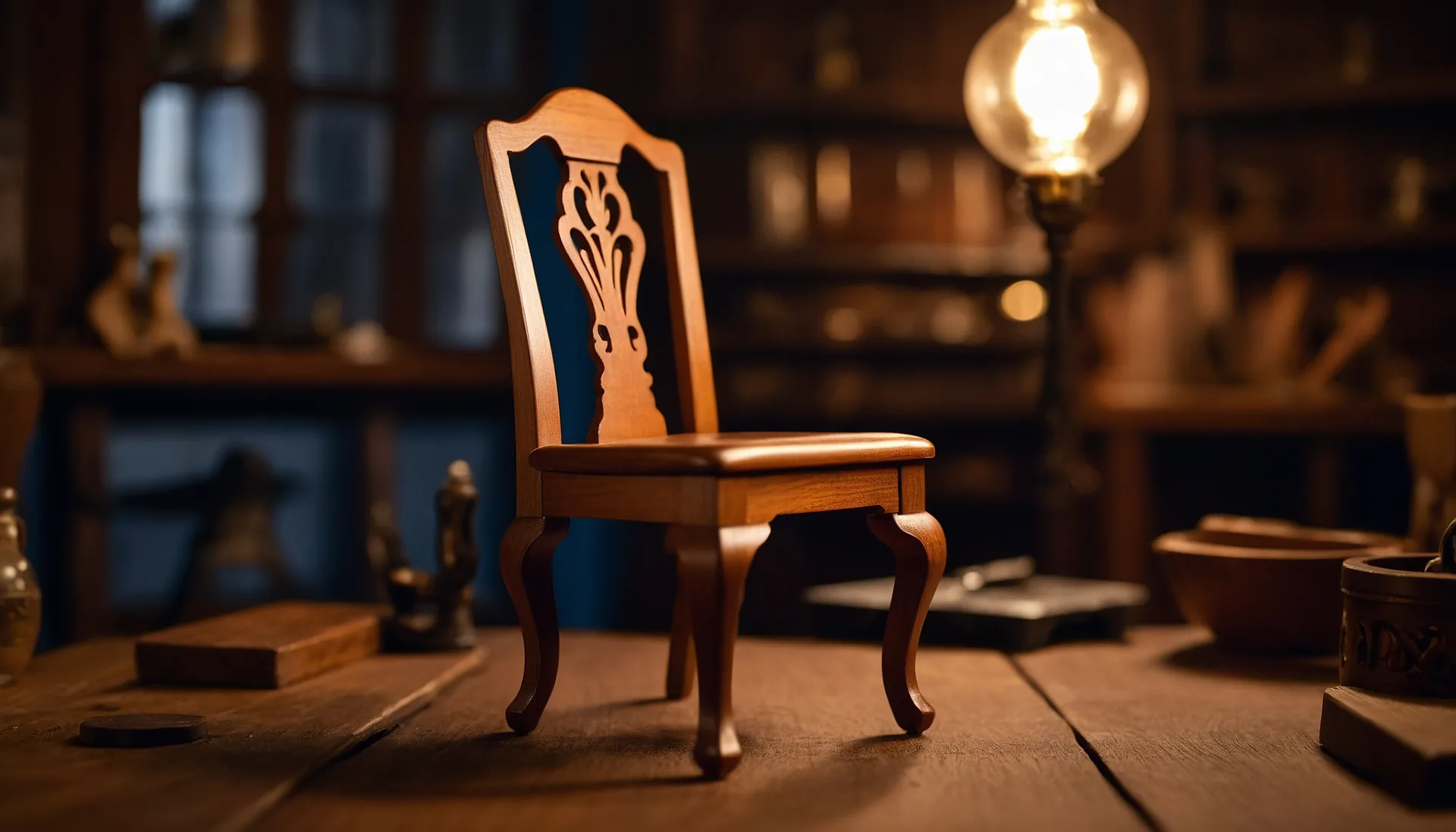
The Complete Guide to 1/12 Scale Miniature Furniture
Learn everything about 1/12 scale miniature furniture, from how measurements work to why this scale became the global standard for dollhouse collectors.
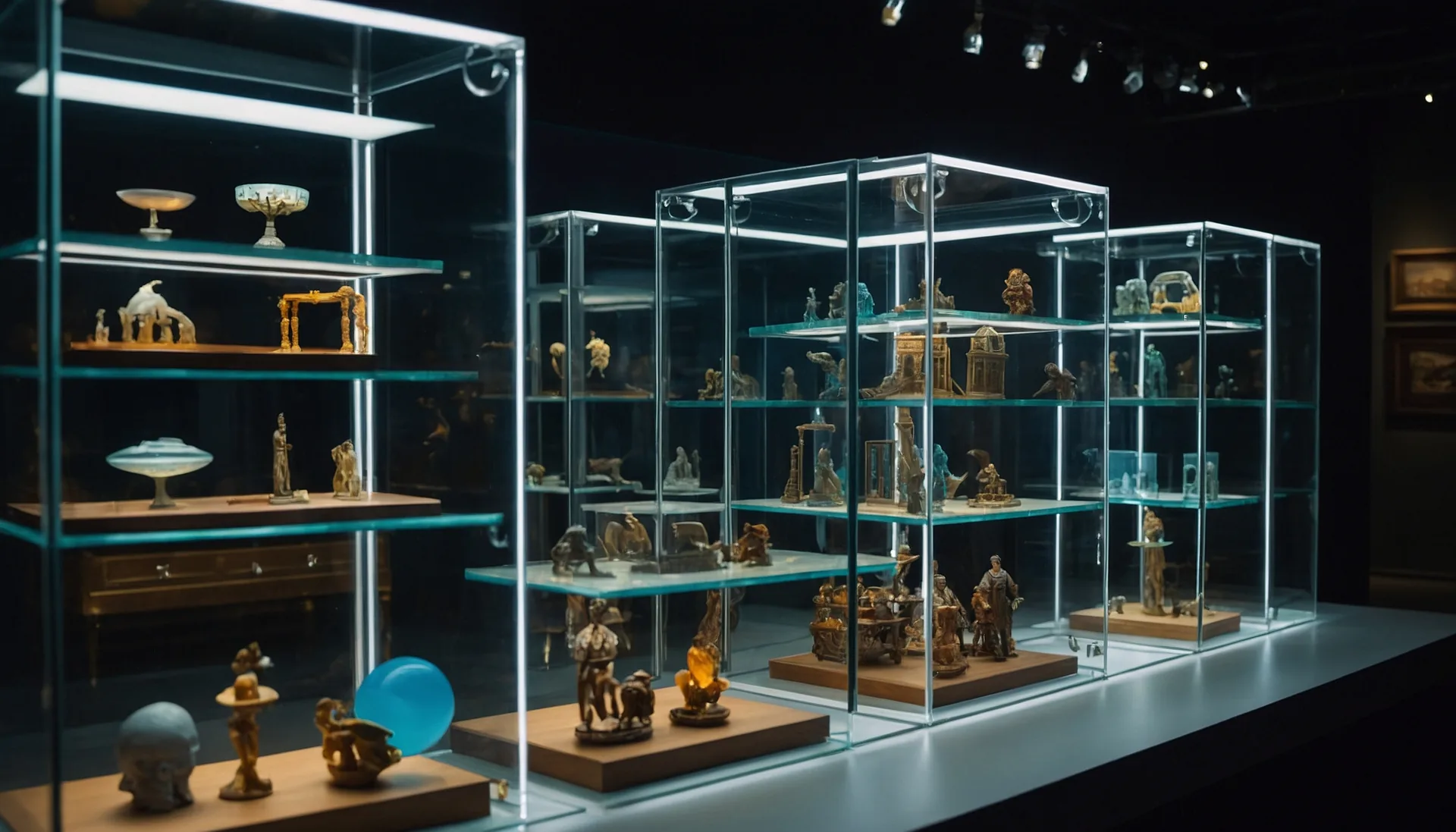
Displaying and Protecting Miniature Furniture Collections
Expert guide to displaying and protecting miniature furniture collections. Covers UV protection, humidity control, display cases, lighting, and insurance tips.
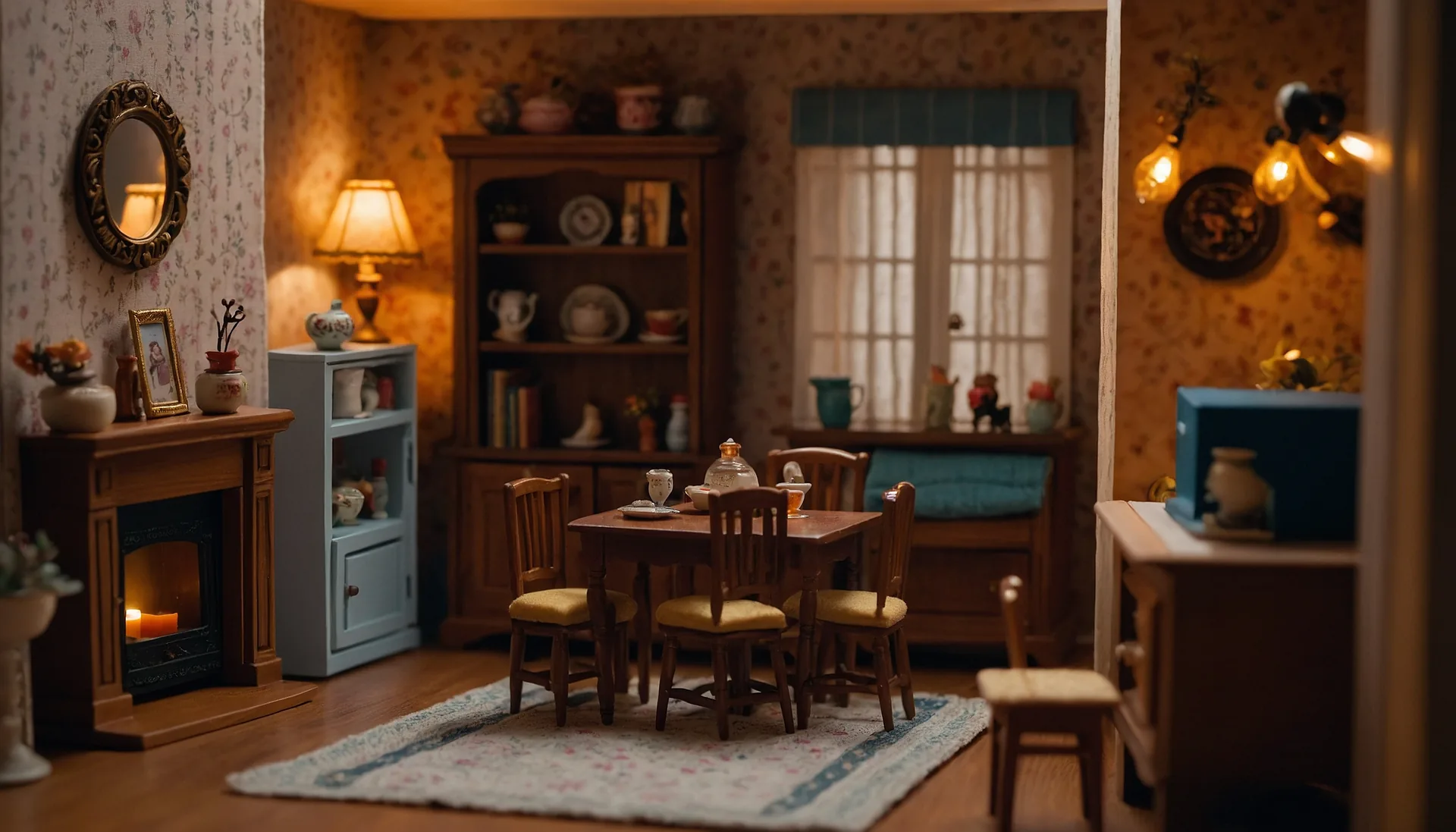
Dollhouse Decorating with Handcrafted Furniture
Learn expert dollhouse decorating tips using handcrafted miniature furniture. Create cohesive room settings with period-accurate pieces and realistic details.