
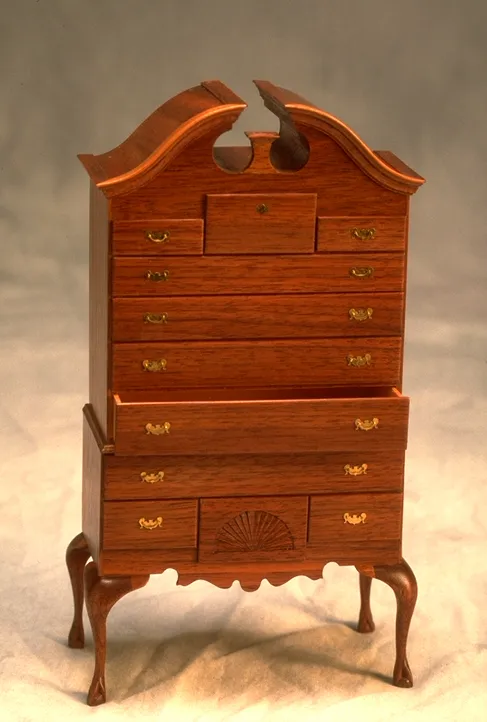
Museum-Quality Miniatures: What Sets Them Apart
Discover what makes museum-quality miniature furniture different from hobby-grade pieces. Learn how collectors and curators evaluate fine artisan miniatures.
The phrase “museum quality” gets used loosely in many fields, but in the world of miniature furniture, it has a very specific meaning. As someone who has spent years striving to meet that standard in my own workshop, I can tell you that the gap between hobby-grade miniatures and true museum-quality work is enormous. Understanding that gap is essential whether you are a collector evaluating pieces or simply an admirer of fine craftsmanship.
The Museum-Quality Standard
When curators at institutions like the Smithsonian, the Victoria and Albert Museum, or the Art Institute of Chicago accept miniature furniture into their collections, they apply rigorous criteria. A museum-quality miniature must demonstrate mastery in four areas: construction, materials, finishing, and historical accuracy. Let me walk through each one.
Construction Methods
Authentic Joinery
The single most important factor that separates museum-quality miniatures from everything else is joinery. In fine miniature work, every joint is structurally sound and historically appropriate. This means hand-cut dovetails on drawer boxes, mortise and tenon joints on chair and table frames, and properly executed tongue and groove joints on panel work.
At 1/12 scale, cutting a dovetail joint means working with pins that may be less than 1/32 inch wide. There is no room for error. Each joint must fit precisely without gaps, just as it would on a full-size piece. The fact that these joints are nearly invisible to the naked eye does not reduce their importance. They are the skeleton of the piece, and they determine its structural integrity and longevity.
Compare this to kit-built miniatures, which typically rely on glue-tab construction where flat pieces slot together and are held with adhesive. There is no structural joinery, no interlocking wood fibers, and no mechanical strength. I explore this comparison in depth in my post on handcrafted vs kit-built miniatures.
Hand-Turned Elements
Museum-quality pieces feature hand-turned elements where the original full-size piece would have them. Bed posts, chair spindles, table legs, and finials are turned on a miniature lathe from solid hardwood. Each turning must be symmetrical, smooth, and proportionally accurate to 1/12 scale. Mass-produced miniatures often use molded or cast elements that lack the warmth and individuality of hand-turned wood.
Hand-Carved Details
Carving at miniature scale is arguably the most demanding skill in the craft. Shell carvings on a Goddard secretary desk, ball-and-claw feet on a Chippendale chair, and acanthus leaf details on a Federal mirror all require extraordinary patience and control. These carvings are executed with tools that I often make myself, ground to profiles measured in fractions of an inch.
Materials
Wood Selection
Museum-quality miniature furniture is built from the same species of hardwood used in the original full-size piece. A Chippendale highboy belongs in mahogany. A Shaker blanket chest calls for maple or cherry. A Federal secretary deserves walnut or mahogany. The wood must have tight, straight grain that reads correctly at reduced scale. Open-grained woods or those with large figure patterns can look out of scale and destroy the illusion.
I select and mill my own stock, often resawing larger pieces to find the tightest grain sections. This process is wasteful of material but essential for achieving the right visual effect. I discuss wood selection in more detail in my post on choosing wood for miniature furniture.
Hardware
Fine miniature hardware is another distinguishing feature. At museum quality, hinges, pulls, escutcheons, and locks are individually fabricated from brass or other appropriate metals. They function exactly as their full-size counterparts do. Drawers open on correctly sized runners. Doors swing on working hinges. Locks actually turn.
By contrast, hobby-grade pieces often use stamped or cast hardware that is decorative rather than functional, or omit hardware entirely.
Finishing
The Art of Miniature Finishing
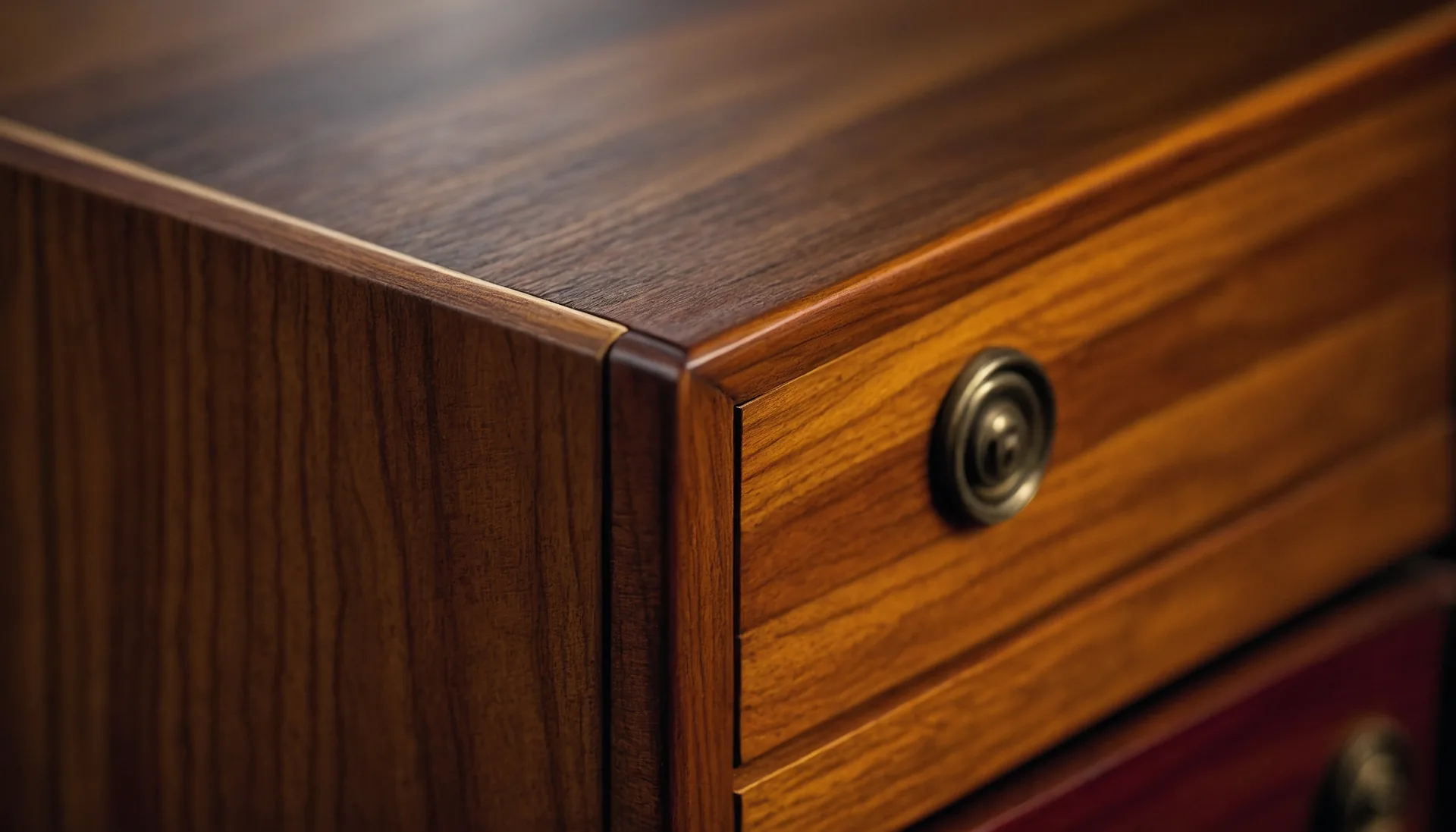
Finishing is where many otherwise competent miniature makers fall short. A museum-quality finish must accomplish several things simultaneously: it must protect the wood, enhance the grain, provide an appropriate sheen level, and be historically accurate to the period.
For period pieces, I typically use shellac-based French polish, hand-rubbed oil finishes, or carefully applied lacquer. Each finish is built up in multiple thin coats, rubbed back between applications, and finally brought to the correct sheen with fine abrasives and polishing compounds.
The finish must be absolutely uniform with no runs, sags, brush marks, or orange peel texture. At 1/12 scale, even the smallest finishing defect is magnified by the viewer’s close inspection. A flaw that might be invisible on a full-size piece becomes glaringly obvious on a miniature.
Aging and Patina
Some museum-quality work includes carefully executed aging or patina effects to simulate the appearance of an antique original. This is a controversial area among collectors. When done skillfully, aging can add tremendous character and realism. Done poorly, it looks artificial and detracts from the piece. I believe the maker should always be transparent about whether aging effects have been applied.
Historical Accuracy
Research and Reference
Building a museum-quality reproduction requires extensive research. I study original pieces in museums, consult published references, examine measured drawings, and when possible, take my own measurements and photographs of surviving originals. Every proportion, every molding profile, every hardware placement must be documented and faithfully reproduced.
Historical accuracy extends beyond visible details. The construction methods inside the piece should match those used in the original period. Drawer construction, back panel treatment, and internal framing all matter to curators and serious collectors, even though these details may never be seen during casual display.
Period-Appropriate Techniques
A truly museum-quality piece is built using techniques that honor the original period of construction. While I use some modern tools for rough dimensioning, the shaping, fitting, and finishing of each piece follows traditional methods. This is not mere sentimentality. Traditional techniques produce results that are subtly different from modern methods, and experienced collectors and curators can tell the difference.
How Curators and Collectors Evaluate Pieces
When a curator or experienced collector examines a miniature, they follow a consistent evaluation process.
They begin by assessing overall proportion and visual impact. Does the piece look right? Does it capture the essence of the style it represents? They examine the piece from the distance at which it will typically be viewed, then move in for close inspection.
Next comes a hands-on examination. They check drawer operation, door function, and the feel of moving parts. They look at joinery details with magnification. They inspect the finish under good lighting, looking for consistency and quality.
They examine the underside, the back, and the interior. These hidden areas reveal the maker’s true standard of workmanship. A museum-quality piece is as well-finished inside as outside, because the maker’s commitment to quality does not stop where the viewer cannot see.
Finally, they consider provenance and documentation. Who made the piece? When was it made? Is it signed or marked? Does it come with documentation? These factors matter enormously for institutional acquisitions and for establishing long-term value. I discuss the value implications in my post on the investment value of artisan miniatures.
My Commitment to the Standard
Every piece that leaves my workshop is built to the museum-quality standard I have described here. That is a promise I make to every collector, and it is the foundation of everything I do. You can see examples of my work in the gallery, and if you would like to discuss a commission or have questions about evaluating miniature furniture, please reach out through my contact page.
The world of fine miniature furniture rewards those who learn to see quality. Once you know what to look for, the difference between ordinary and extraordinary becomes unmistakable.
Continue Your Journey
Related Articles
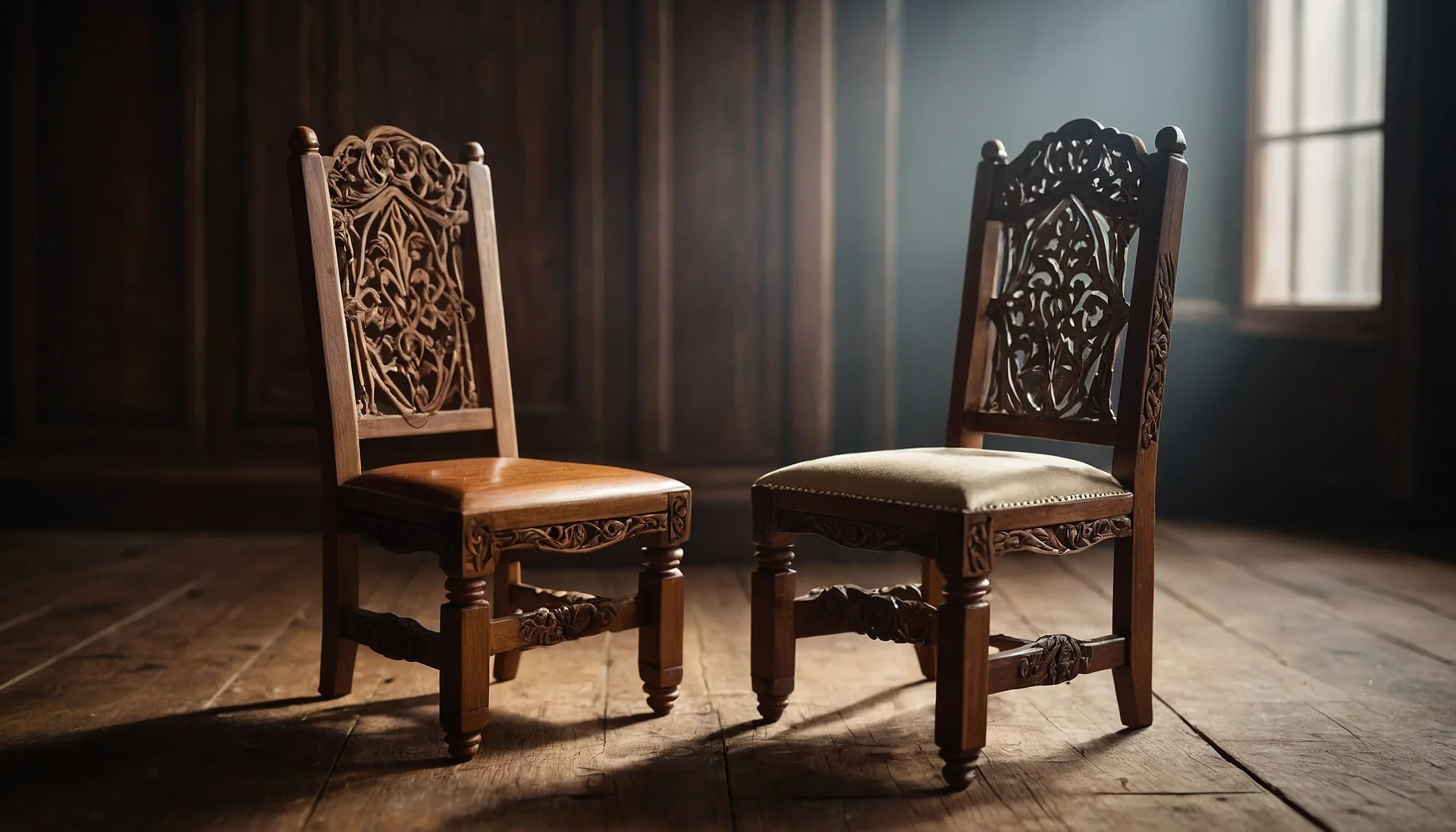
Handcrafted vs Kit-Built Miniatures: Key Differences
Compare handcrafted miniature furniture to kit-built pieces. Learn the key differences in materials, joinery, finishing, and collectibility between the two.

Miniature Furniture as Fine Art: The Case for Collecting
Explore why collectible miniature furniture belongs in the fine art world. From gallery exhibitions to museum collections, discover miniatures as true art.
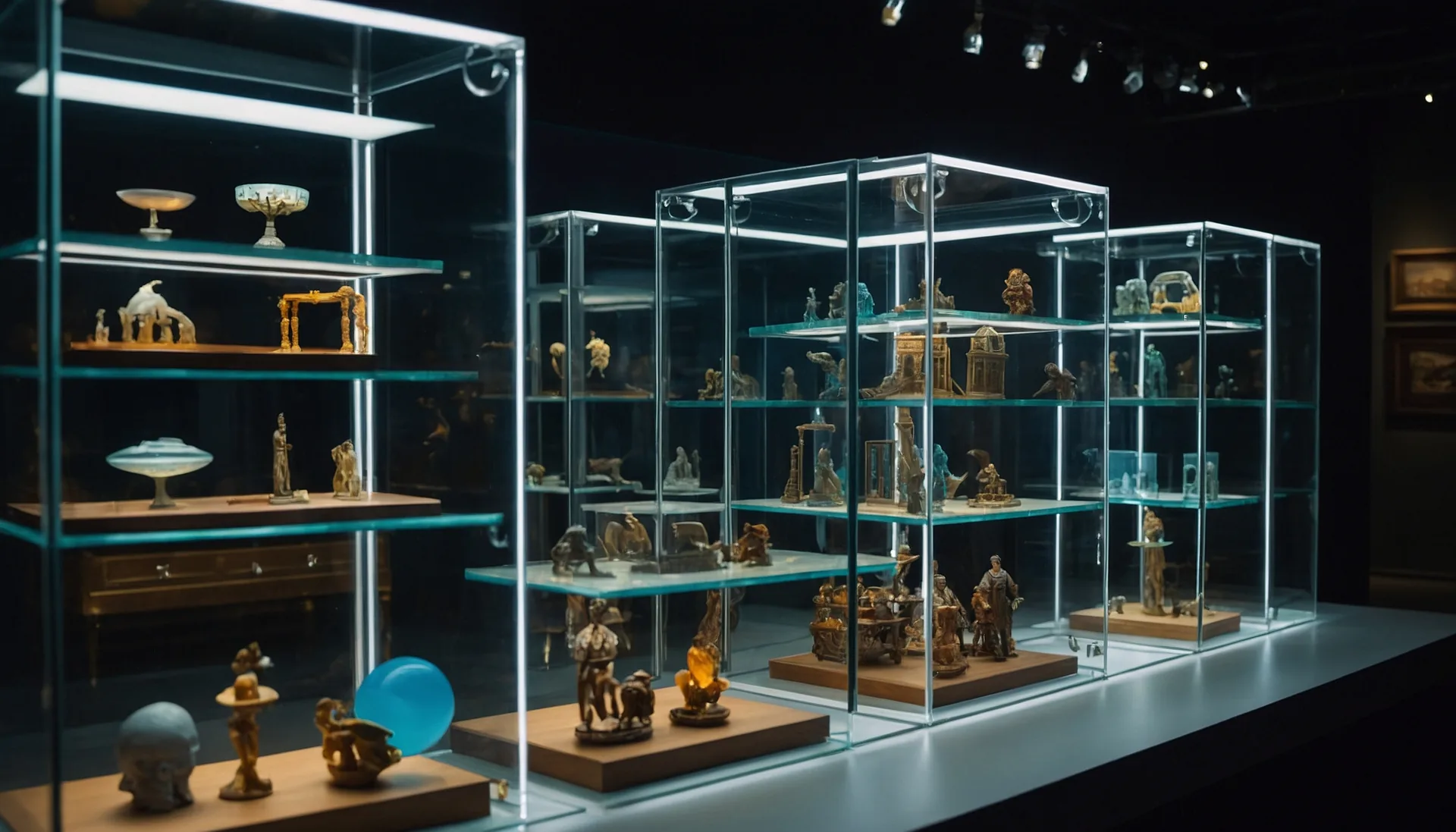
Displaying and Protecting Miniature Furniture Collections
Expert guide to displaying and protecting miniature furniture collections. Covers UV protection, humidity control, display cases, lighting, and insurance tips.