
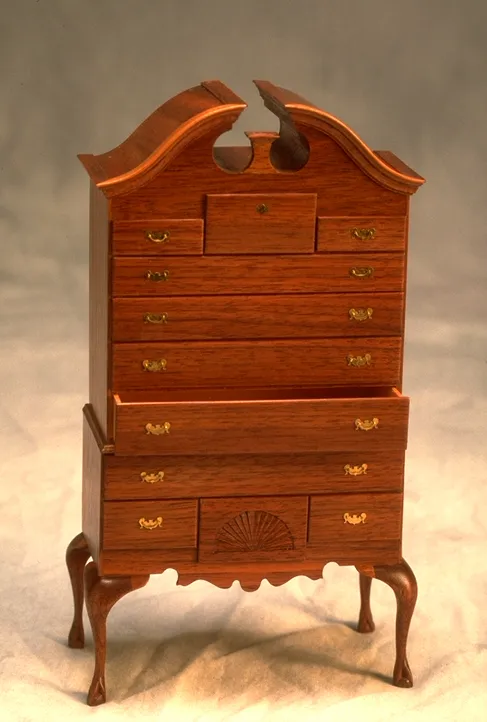
Handcrafted vs Kit-Built Miniatures: Key Differences
Compare handcrafted miniature furniture to kit-built pieces. Learn the key differences in materials, joinery, finishing, and collectibility between the two.
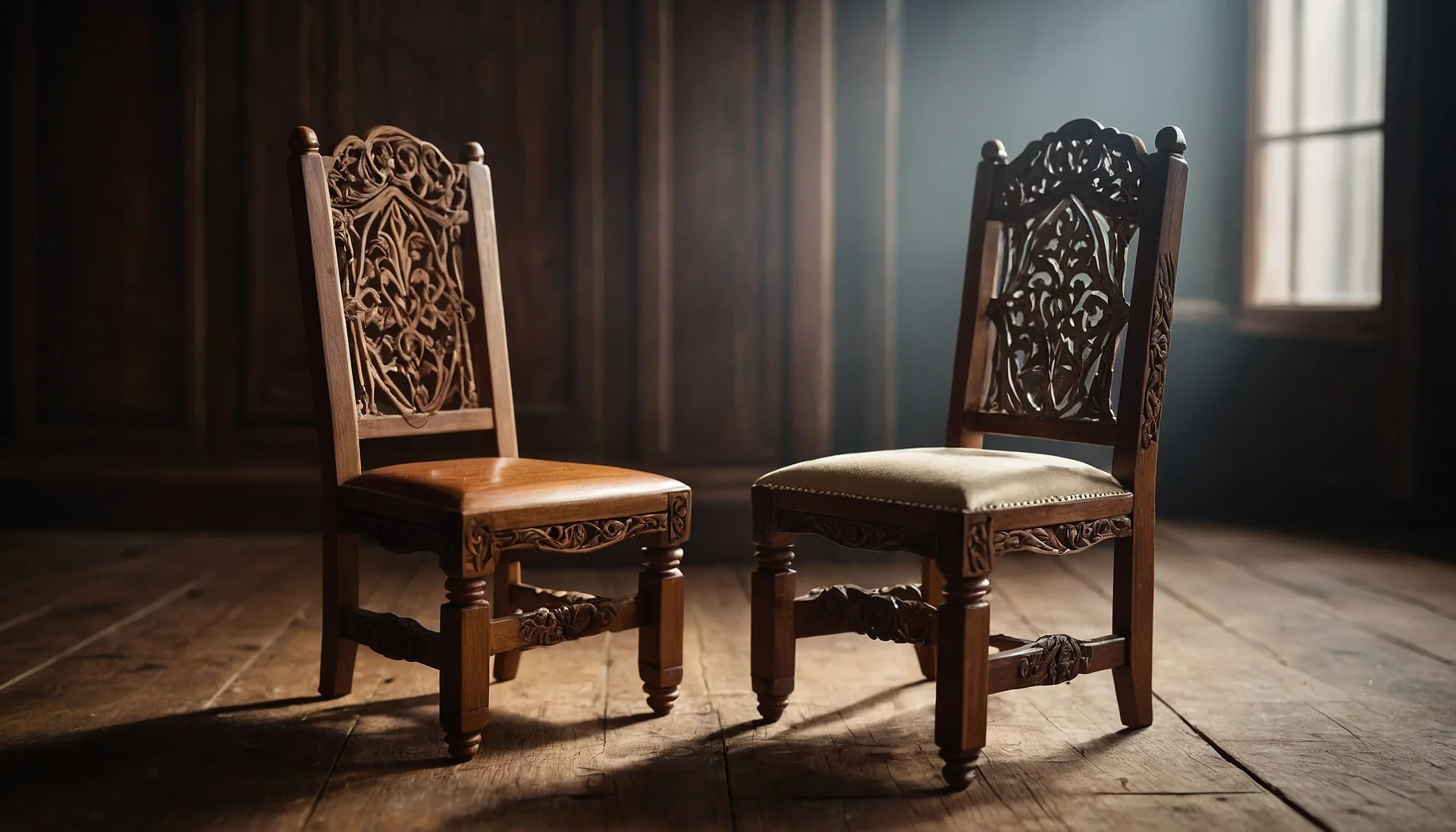
One of the most common questions I receive from new collectors is about the difference between handcrafted miniature furniture and kit-built pieces. It is an honest question, and it deserves an honest answer. Both approaches have their place in the miniature world, but understanding the differences will help you make informed decisions about what you buy and collect.
What Are Kit-Built Miniatures?
Miniature furniture kits are pre-cut sets of parts, usually laser-cut from MDF (medium-density fiberboard), thin plywood, or basswood. The parts are designed to fit together in a specific sequence, much like a model airplane kit. Assembly typically involves gluing tabs into slots, following printed instructions, and applying paint or stain as a final step.
Kits range widely in complexity. Simple kits aimed at beginners can be assembled in a few hours. More advanced kits may take several evenings and require careful sanding, fitting, and finishing. The best kits produce attractive results that many hobbyists find deeply satisfying to build.
What Are Handcrafted Miniatures?
Handcrafted, or scratch-built, miniature furniture starts with raw lumber. There are no pre-cut parts, no instructions, and no template to follow. The maker begins with a design, whether an original creation or a reproduction of a historical piece, and builds it entirely from solid hardwood using traditional woodworking techniques adapted to 1/12 scale.
Every component is individually shaped, fitted, and finished by hand. The process mirrors full-size furniture making in every respect except size. You can see this process in action by visiting my workshop page.
Materials: The Foundation of Quality
Kit Materials
Most kits use MDF, laser-cut plywood, or basswood. These materials are chosen for their compatibility with laser cutting and their low cost. MDF cuts cleanly and holds detail well, but it is not real wood. It is a composite of wood fibers and resin, and it has a uniform, featureless texture. Plywood offers some wood grain but has visible lamination layers at the edges. Basswood is a genuine hardwood but is extremely soft and lacks the visual character of fine furniture woods.
Handcrafted Materials
Scratch-built miniature furniture uses the same hardwoods as full-size fine furniture: mahogany, cherry, walnut, maple, and oak. These woods offer rich color, beautiful grain patterns, and the structural strength needed for real joinery. The wood is selected for grain tightness appropriate to 1/12 scale, which means what appears at the surface must look convincing as a miniature representation of full-size lumber.
The difference in materials is immediately visible and tactile. Solid hardwood has warmth, depth, and character that MDF and plywood simply cannot replicate. When you pick up a handcrafted piece, you feel the density and substance of real wood. For guidance on wood selection, see my article on choosing wood for miniature furniture.
Joinery: Structure vs Assembly
Kit Joinery
Kits rely on tab-and-slot construction. Parts are laser-cut with protruding tabs that fit into corresponding slots on mating pieces. The parts are then fixed with white glue or cyanoacrylate adhesive. There are no interlocking wood joints. The structural integrity of the assembled piece depends entirely on the adhesive bond.
This approach works well enough for display pieces that will not be handled frequently, but it produces furniture that is fundamentally different in construction from real furniture at any scale.
Handcrafted Joinery
Scratch-built miniatures use real woodworking joints: dovetails, mortise and tenon, tongue and groove, dowel joints, and housed joints. These are the same joint types used in full-size furniture making, adapted to miniature scale with extraordinary precision.
Cutting a dovetail joint at 1/12 scale means working with pins that are fractions of an inch wide. Each joint must fit perfectly. When done right, these joints interlock mechanically, providing strength independent of any adhesive. The piece could theoretically hold together without glue, just as a well-made full-size piece can.
This structural difference matters for longevity. A properly jointed miniature will last for generations. A glued-tab assembly is more vulnerable to failure over time, especially in environments where humidity fluctuates.
Finishing: Surface and Depth
Kit Finishing
Kit pieces are typically finished with hobby paints, spray lacquer, or craft store stains. These products sit on the surface of the material and often obscure whatever grain or texture exists. Because MDF has no grain, paint is usually the only viable option. The results can be neat and attractive, but they lack the depth and warmth of fine wood finishing.
Handcrafted Finishing
Fine miniature furniture is finished using professional woodworking techniques. This might mean French polish, hand-rubbed tung oil, spray lacquer applied in multiple thin coats and rubbed out, or period-appropriate milk paint. Each approach builds a finish that enhances the natural beauty of the wood beneath.
The finish on a handcrafted piece has depth. Light enters the finish, interacts with the wood grain beneath, and reflects back with a warmth and complexity that opaque paint can never achieve. This is particularly important for period furniture, where the finish is an integral part of the piece’s historical character. I cover this topic further in my post on museum-quality miniatures.
Functionality and Detail
In a handcrafted miniature, drawers open smoothly on properly fitted runners. Doors swing on working hinges. Drop leaves fold down on miniature rule joints. Lids lift. Locks turn. Every functional element of the original full-size piece is replicated in working order.
Kit-built pieces generally have limited functionality. Drawers may be solid blocks glued into place. Doors might be permanently fixed. These are visual representations of furniture rather than functional miniature reproductions of furniture.
Detail work also differs dramatically. Handcrafted pieces feature hand-carved elements like shell motifs, ball-and-claw feet, and flame finials. Kit pieces may include laser-engraved detail, which can be impressive from a distance but lacks the depth and dimensionality of actual carving.
Time Investment
The time difference between the two approaches is substantial. A moderately complex kit might take ten to twenty hours to assemble and finish. The equivalent piece built from scratch might take one hundred to two hundred hours or more.
This time difference is not about efficiency. It reflects the fundamentally different nature of the two processes. Kit assembly is about following instructions accurately. Scratch building is about making hundreds of creative and technical decisions, each one informed by knowledge of woodworking, furniture history, and material behavior.
Collectibility and Value
This is where the differences become most concrete. Kit-built miniatures have limited collectibility because they are mass-produced designs assembled by many different people. The design belongs to the kit manufacturer, not the builder, and identical kits can be purchased and assembled by anyone.
Handcrafted miniatures are unique works of art. Each one is an original, even when reproducing a historical design, because the maker’s individual skill, interpretation, and craftsmanship are embedded in every detail. This uniqueness drives collectibility and value. Established makers command significant prices for their work, and fine pieces regularly appreciate over time. I discuss this in greater detail in my article on the investment value of artisan miniature furniture.
A Place for Both
I want to be clear that I am not dismissing kit building. Kits serve an important role in the miniature world. They provide an accessible entry point for people who are curious about miniatures. They teach basic skills and develop an appreciation for the craft. Many accomplished scratch builders started with kits.
What matters is that collectors understand what they are buying. A kit-built piece and a handcrafted piece are fundamentally different objects, made from different materials, using different methods, to different standards. Their prices reflect these differences, and so does their place in a serious collection.
If you are just beginning to explore miniatures, I encourage you to handle both types of work whenever possible. Visit shows, attend guild meetings, and examine pieces closely. The difference becomes obvious quickly, and that education will serve you well as you build your collection. For more guidance on starting out, read my guide to starting a miniature furniture collection.
If you have questions about my work or want to see the difference for yourself, I invite you to explore my gallery or reach out through my contact page.
Continue Your Journey
Related Articles
Miniature Furniture as Fine Art: The Case for Collecting
Explore why collectible miniature furniture belongs in the fine art world. From gallery exhibitions to museum collections, discover miniatures as true art.
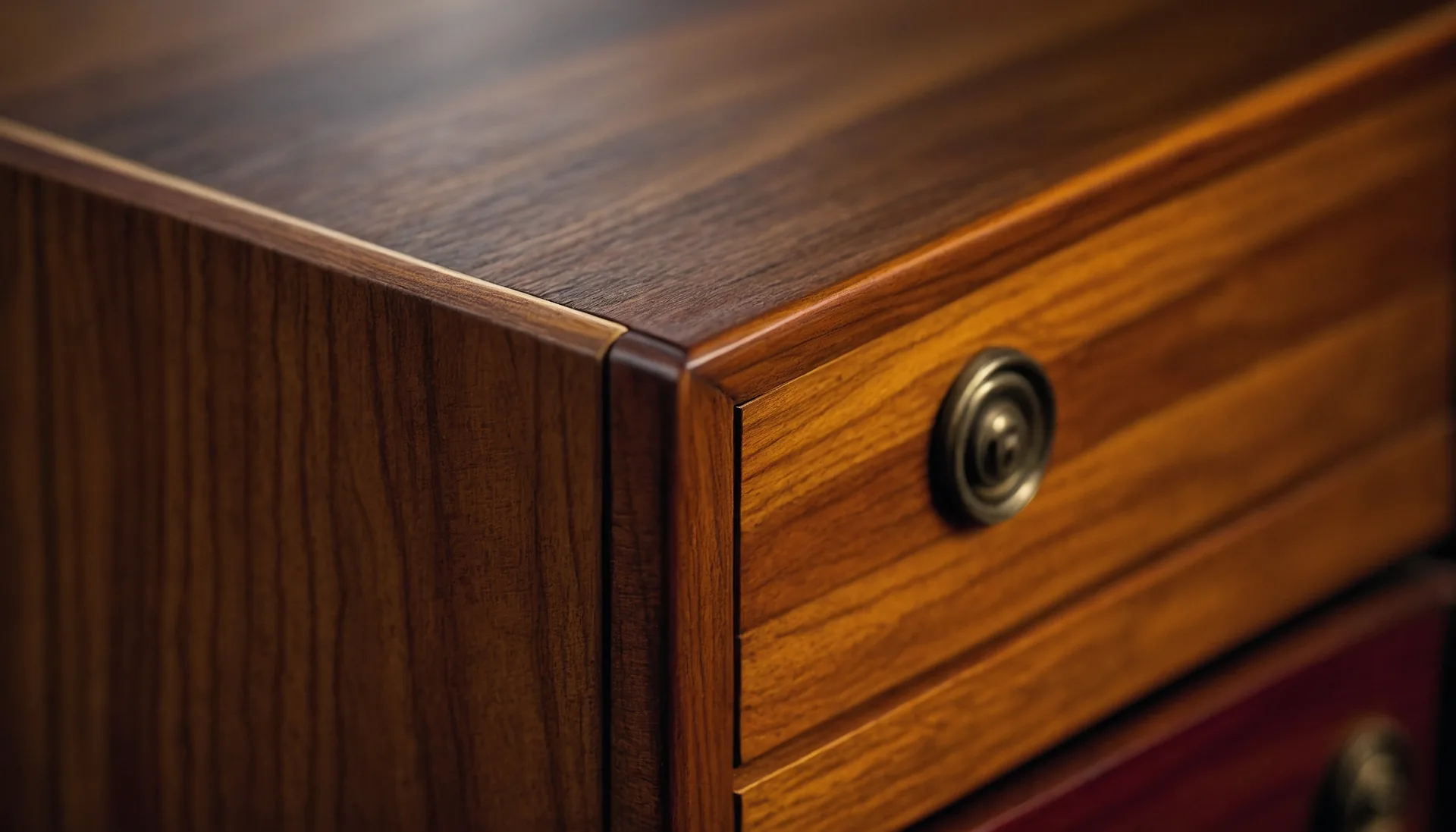
Museum-Quality Miniatures: What Sets Them Apart
Discover what makes museum-quality miniature furniture different from hobby-grade pieces. Learn how collectors and curators evaluate fine artisan miniatures.
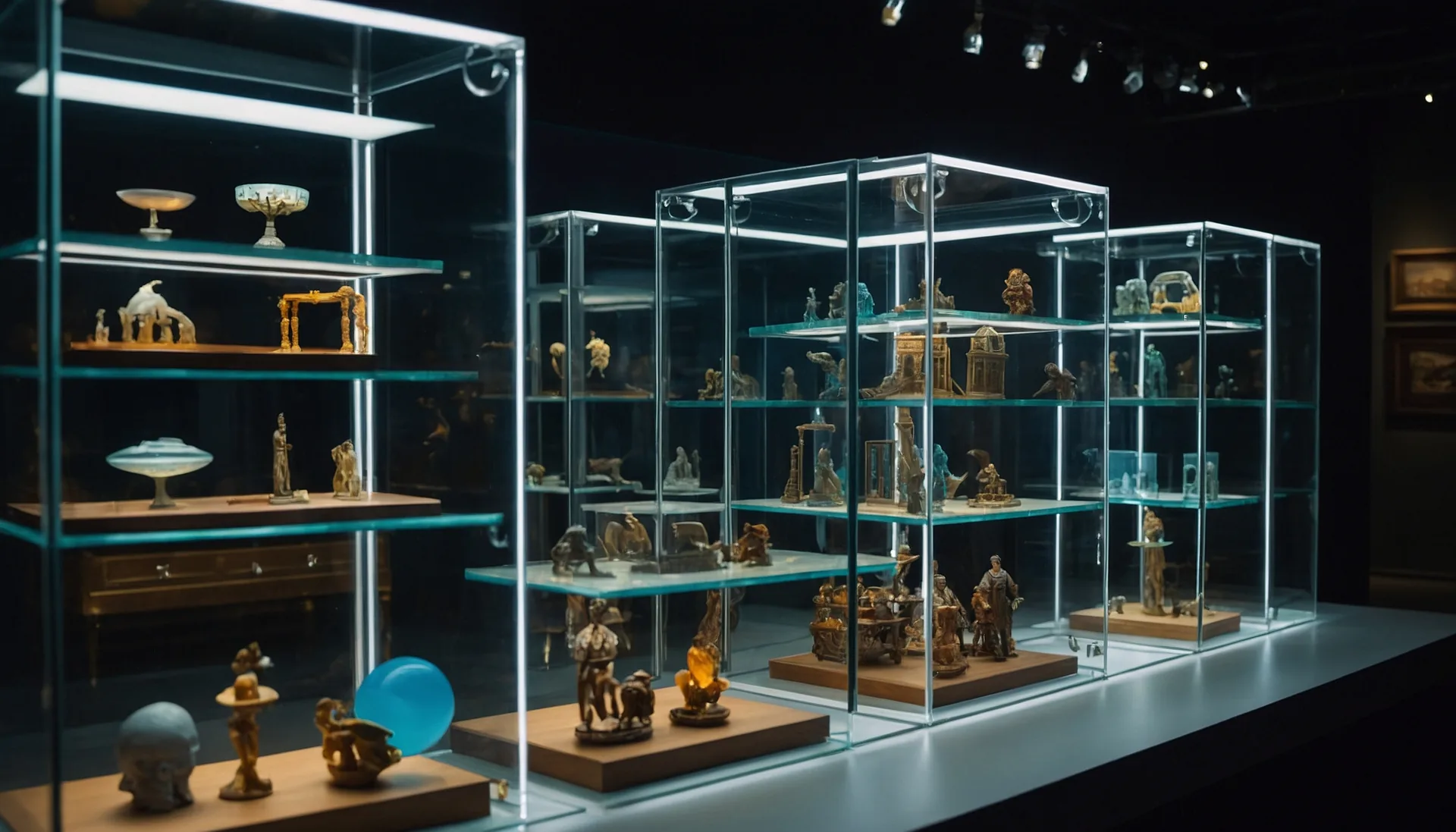
Displaying and Protecting Miniature Furniture Collections
Expert guide to displaying and protecting miniature furniture collections. Covers UV protection, humidity control, display cases, lighting, and insurance tips.