
The Investment Value of Artisan Miniature Furniture
Explore the investment value of artisan miniature furniture. Learn about auction results, value factors, and how to protect your miniatures investment.
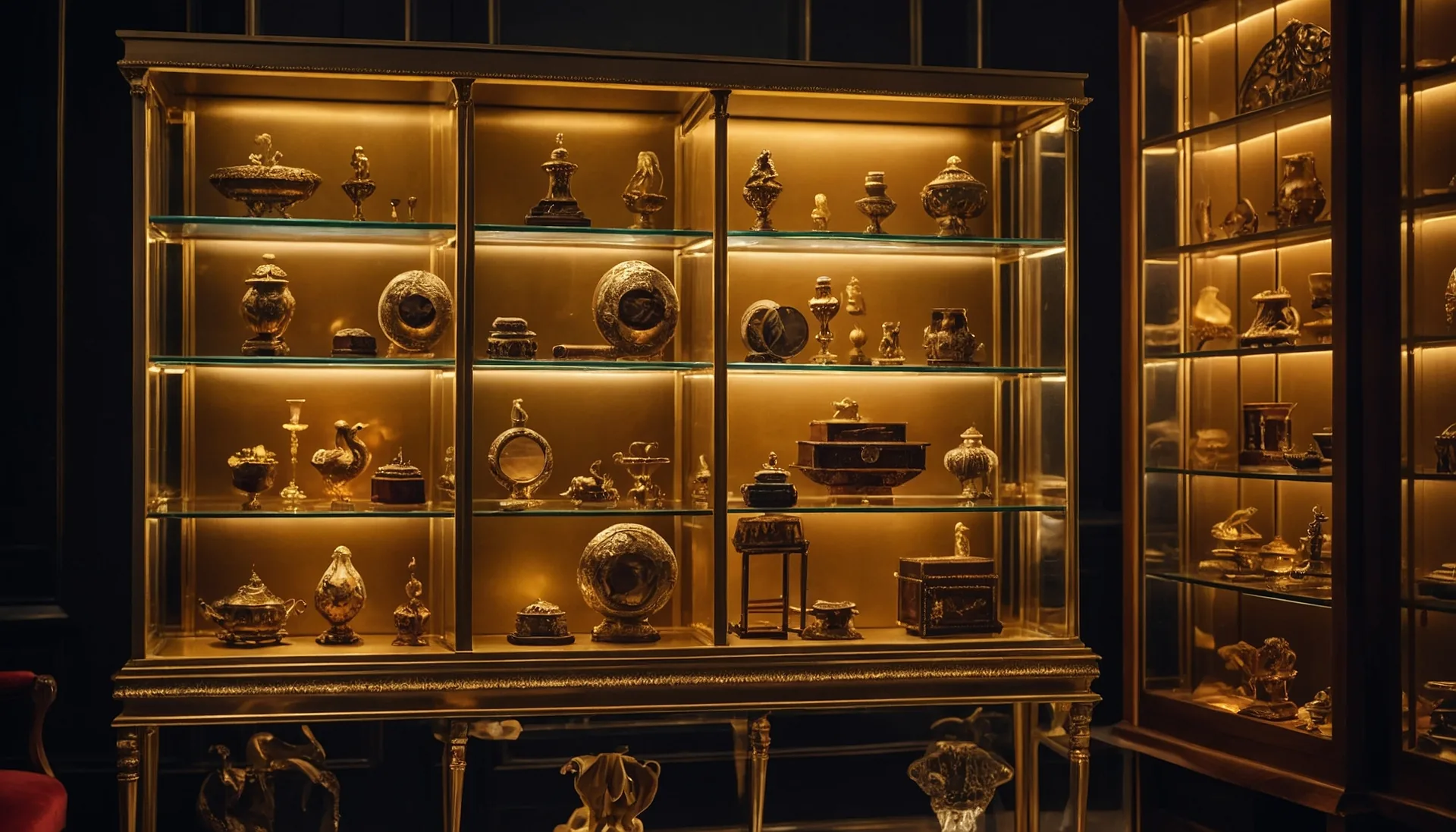
I have always believed that the primary reason to collect miniature furniture should be the love of the craft. But it would be naive to ignore the fact that fine artisan miniatures represent a legitimate investment category, one that has quietly rewarded knowledgeable collectors for decades. In this post, I want to share what I have observed about the investment side of miniature furniture collecting, drawing on years of experience as both a maker and a participant in the collector community.
A Brief History of Miniature Furniture at Auction
The auction market for fine miniature furniture has a longer and more robust history than many people realize. Major auction houses have featured miniature collections since at least the mid-twentieth century, and dedicated miniature auctions have become more common in recent years.
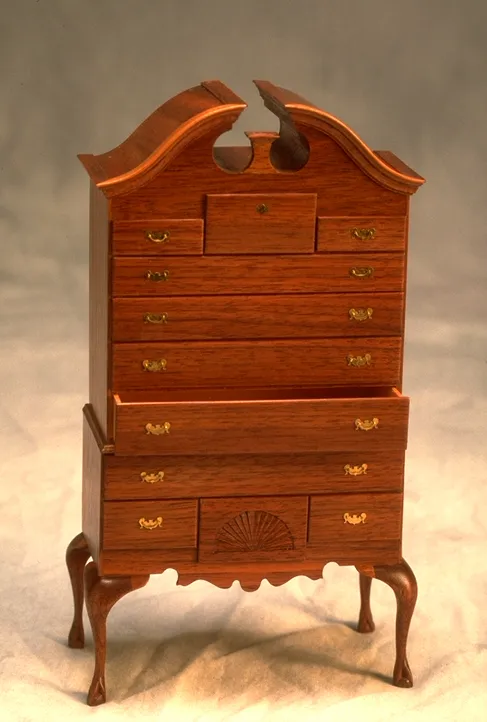
Notable estate sales of prominent collectors have demonstrated strong market demand. Complete collections from well-known collectors have consistently achieved prices well above pre-sale estimates, particularly when the collections feature work by recognized master makers. Individual pieces by the most acclaimed artisans have sold for thousands of dollars, with exceptional examples of complex forms like secretary desks and tall case clocks commanding the highest prices.
The trend has been generally upward over the past several decades. While miniature furniture does not experience the dramatic price spikes seen in some art markets, it has shown steady, consistent appreciation that has rewarded patient collectors.
Factors That Affect Value
Understanding what drives value in miniature furniture will help you make smarter collecting decisions, whether or not investment is your primary motivation.
Maker Reputation
The maker’s name is the single most important factor in determining value. Just as in fine art, a well-established maker with a proven track record of museum-quality work commands significantly higher prices than an unknown or emerging maker. Reputation is built over years through consistent quality, exhibition participation, publication in miniature journals, and presence in institutional collections.
When you buy from an established maker, you are buying into a body of work that has been vetted by curators, critics, and fellow collectors. That provenance has real monetary value. This is one reason why I encourage collectors to build relationships with makers they admire and to document their purchases carefully.
Rarity
Supply and demand drive prices in any market, and miniature furniture is no exception. Because fine miniature pieces take dozens to hundreds of hours to build, the total output of any individual maker is inherently limited. A maker who produces ten to fifteen pieces per year over a thirty-year career will have created perhaps three to five hundred pieces total. That is an extremely small body of work compared to most collectible categories.
Complex forms are even rarer. A maker might build only a handful of tall case clocks or block-front secretary desks in their entire career, simply because each one demands so many hours. These rare forms from established makers are the pieces most likely to appreciate significantly.
Construction Quality
Quality is always the foundation of value. Pieces with real joinery, hand-carved details, hand-turned elements, and fine finishes are worth more than pieces that cut corners, regardless of who made them. I cover the specific quality markers in my article on museum-quality miniatures.
The construction methods used in a piece also matter for longevity. A piece built with proper joinery will survive centuries of careful handling. A piece assembled with glue tabs may not survive decades. Collectors and appraisers understand this, and construction quality is always a factor in valuation.
Condition
As with all collectibles, condition matters enormously. Miniature furniture in original, unrestored condition commands the highest prices. Pieces with damage, repairs, replacement parts, or refinishing are worth less. Some forms of damage are particularly detrimental: broken carved elements, missing hardware, and finish failure all reduce value significantly.
This is why proper care and display are so important. I provide detailed guidance on preserving your collection in my post on displaying and protecting miniature furniture.
Provenance
The documented history of ownership adds value to any collectible, and miniature furniture is no exception. A piece that can be traced through known collections, that has been exhibited at major shows, or that has been published in miniature magazines carries a premium over an otherwise identical piece with no documented history.
This is why I always encourage collectors to keep detailed records from the day they acquire a piece. Receipts, correspondence with the maker, exhibition catalogs, and photographs all contribute to provenance and protect future value.
Historical Significance
Pieces that represent important moments in the craft, whether early work by a maker who later became prominent, pieces that introduced new techniques or forms, or pieces associated with significant exhibitions, carry additional value for historically-minded collectors.
Protecting Your Investment
If you view your collection partly as an investment, there are practical steps you should take to protect that investment.
Insurance
Insure your collection. Standard homeowner’s insurance may not adequately cover fine miniature furniture, especially if your collection has appreciated since purchase. Consider a dedicated fine arts or collectibles policy that covers pieces at their current appraised value rather than their purchase price. Update your policy and appraisals regularly.
Appraisal
Have your collection professionally appraised every few years. Use an appraiser who specializes in miniatures or fine decorative arts. Appraisals serve multiple purposes: insurance documentation, estate planning, and a clear picture of your collection’s current market value.
Conservation
Proper storage and display are essential. UV-protective cases, stable humidity, careful handling, and regular cleaning all prevent the deterioration that destroys value. Never attempt repairs yourself unless you have the skills and tools to do the work properly. Amateur restoration almost always reduces value.
Documentation
Maintain a comprehensive inventory with photographs, purchase records, provenance information, and condition notes. Store copies of this documentation separately from the collection itself, whether in a safe deposit box, with your attorney, or in secure digital storage. This documentation is itself valuable and should be treated as part of the collection.
The Market Today and Tomorrow
The market for fine miniature furniture is in an interesting position today. Several factors suggest continued strength. The pool of established master makers is relatively small, and many are aging. This means the supply of new museum-quality work will likely decrease over time, putting upward pressure on prices for existing pieces.
At the same time, interest in handcraft is growing among younger generations, driven partly by the digital age’s paradoxical appetite for authentic, handmade objects. I discuss this trend in my post on the renaissance of handcrafted miniatures in the digital age. New collectors are entering the market, and their enthusiasm is bringing fresh energy and demand.
Social media has also increased visibility for fine miniature work, introducing the craft to audiences who might never have encountered it otherwise. This broader awareness translates into expanded market demand.
Collecting with Confidence
My advice to collectors who are mindful of investment value is straightforward. Buy the best quality you can afford. Focus on established makers with proven track records. Choose complex, rare forms over simple ones. Document everything. Take care of what you own. And above all, buy what you love, because a collection built on genuine passion is almost always a collection that holds its value.
If you are interested in adding museum-quality pieces to your collection, I invite you to explore my gallery and see the standard of work that serious collectors seek. For custom commissions or questions about collecting, please visit my contact page.
Continue Your Journey
Related Articles
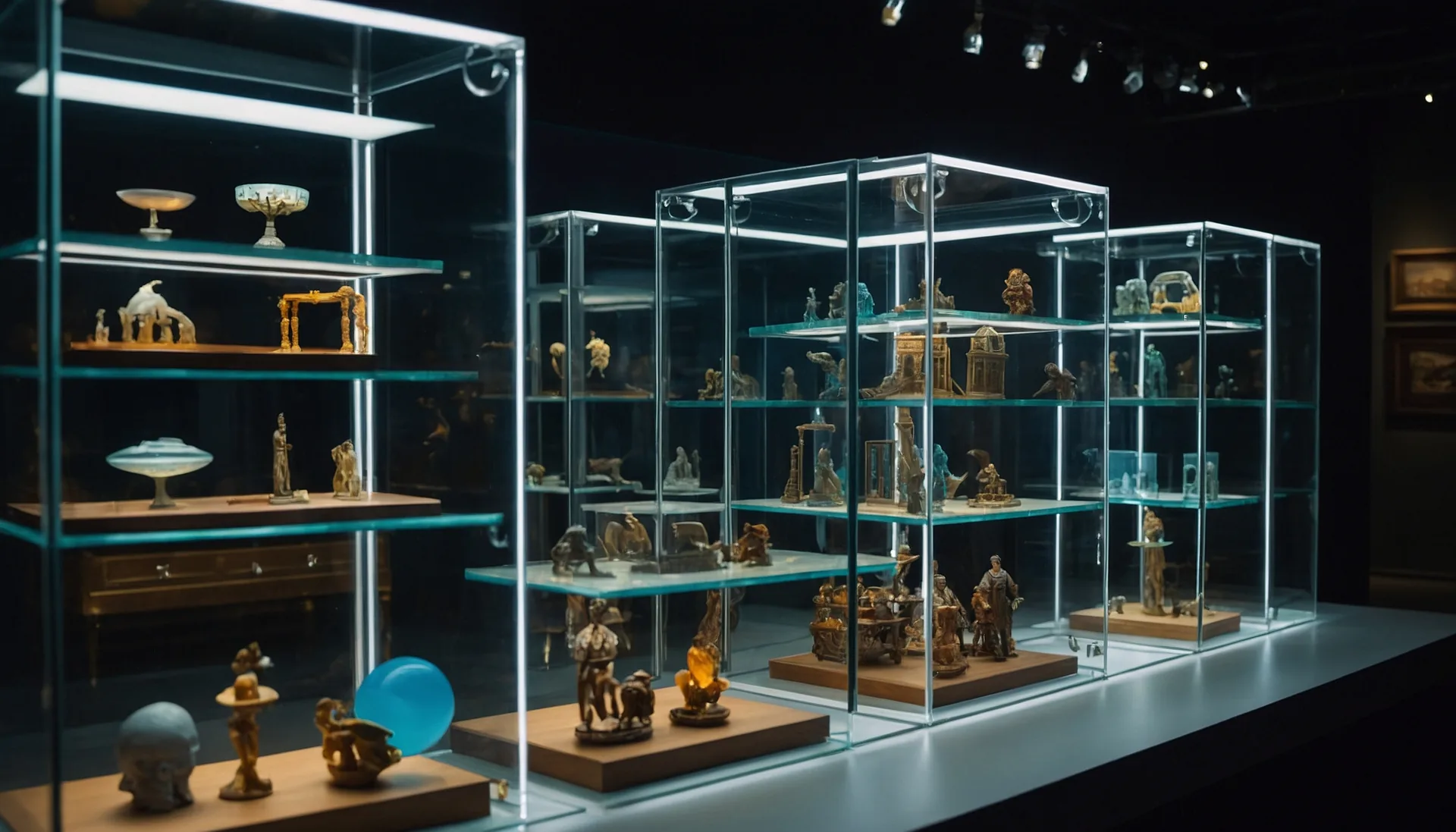
Displaying and Protecting Miniature Furniture Collections
Expert guide to displaying and protecting miniature furniture collections. Covers UV protection, humidity control, display cases, lighting, and insurance tips.
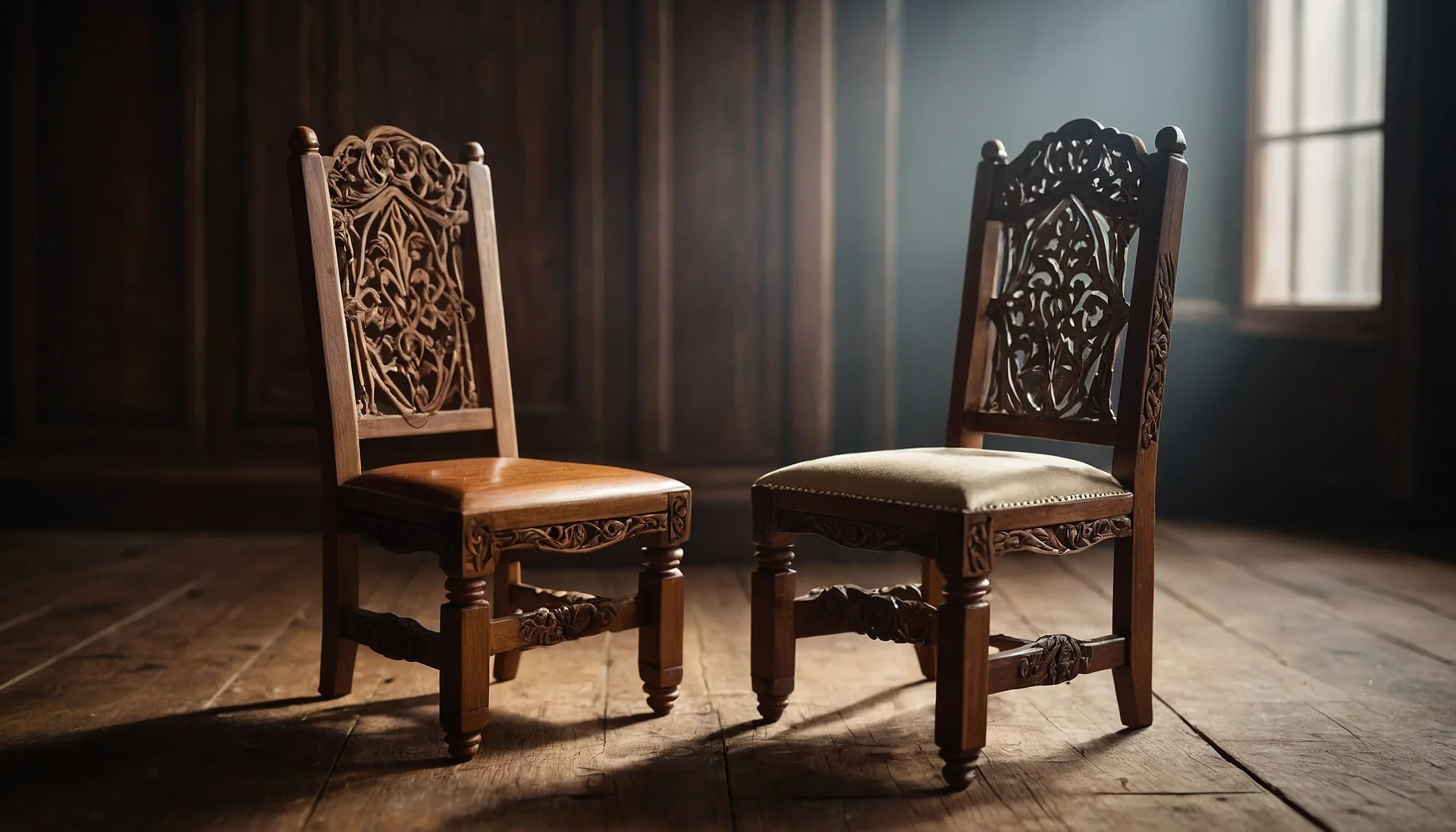
Handcrafted vs Kit-Built Miniatures: Key Differences
Compare handcrafted miniature furniture to kit-built pieces. Learn the key differences in materials, joinery, finishing, and collectibility between the two.
How to Start a Miniature Furniture Collection
Learn how to start a miniature furniture collection with this expert guide covering quality assessment, theme building, budgeting, and display tips.