
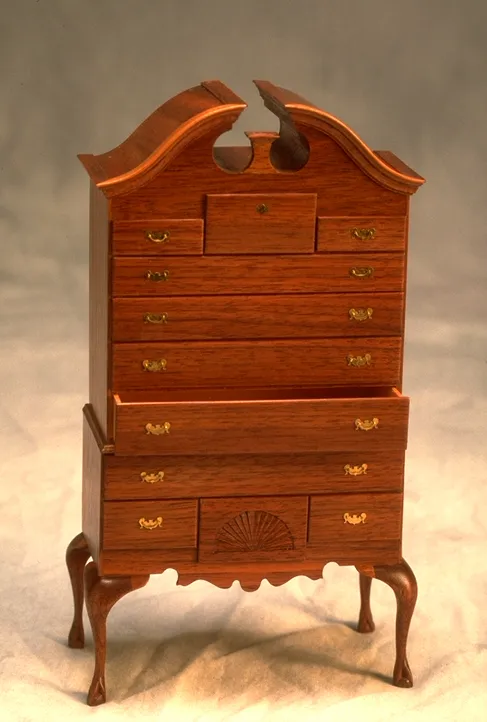
The Renaissance of Handcrafted Miniatures in the Digital Age
Discover how the digital age is fueling a handcrafted miniatures renaissance. Social media, online communities, and a new generation are reviving artisan work.
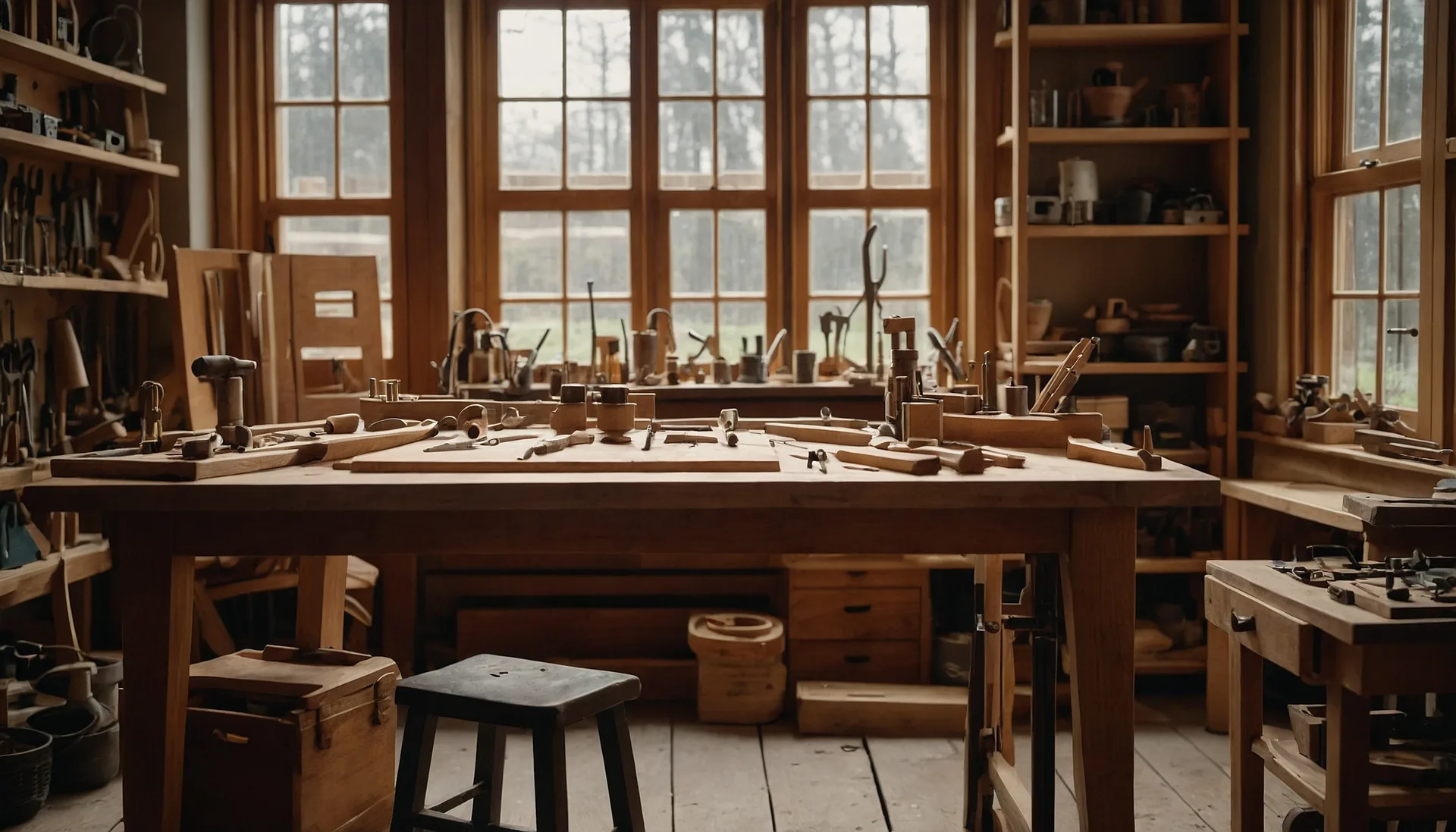
There is a beautiful paradox at the heart of our digital age. In an era defined by screens, algorithms, and mass production, interest in handcrafted objects has not just survived: it has surged. Miniature furniture making, a craft that relies on nothing more sophisticated than skilled hands, sharp tools, and fine wood, is experiencing a genuine renaissance. As someone who has been building miniatures for years and watching this transformation unfold, I find it both fascinating and deeply encouraging.
The Digital Paradox
We live surrounded by objects that are manufactured, printed, or assembled by machines. Our phones are engineered to the nanometer. Our furniture is produced in vast factories and shipped flat-packed around the world. Nearly everything we touch has been optimized for efficiency, cost, and scale.
And yet, the more our world tilts toward the digital and the mass-produced, the more deeply people crave the handmade and the authentic. This is not nostalgia. It is a genuine human need. We are drawn to objects that bear the evidence of human thought, skill, and care. A piece of miniature furniture built entirely by hand from solid hardwood satisfies something that a thousand perfectly manufactured products cannot.
This tension between digital abundance and analog scarcity is the engine driving the miniature furniture renaissance. The digital tools that dominate our lives have, paradoxically, become the primary means through which people discover, appreciate, and acquire handcraft.
Social Media as Discovery Engine
The single most transformative development for miniature furniture in the past decade has been social media. Platforms like Instagram, YouTube, and Pinterest have given makers unprecedented access to global audiences and given potential collectors a window into a craft they might never have encountered otherwise.
Instagram and Visual Discovery
Instagram has been particularly powerful for miniature furniture because the craft is inherently visual. A well-photographed miniature piece stops the scroll. The reaction is almost always the same: disbelief, followed by fascination, followed by a desire to learn more. The platform’s format, beautiful images paired with brief stories, is perfectly suited to showcasing miniature craftsmanship.
Makers who previously relied on shows and word of mouth now reach thousands of followers daily. A single post showing a tiny dovetail joint or a hand-carved shell motif can generate extraordinary engagement. This visibility has brought miniature furniture to audiences who had no previous connection to the craft: young professionals, interior designers, art students, and hobbyists of every description.
YouTube and Process Documentation
If Instagram is where people discover miniature furniture, YouTube is where they fall in love with it. Video allows makers to share not just the finished product but the entire making process. Viewers watch raw lumber being transformed into a tiny chest of drawers through hours of patient handwork. They see the dovetails being cut, the turning being shaped, the finish being applied coat by coat.
These process videos are mesmerizing. They offer a meditative counterpoint to the frenetic pace of digital life, and they reveal the extraordinary skill and patience that goes into every piece. Many of today’s new collectors trace their interest directly to watching a miniature furniture video on YouTube and being captivated by the process.
Pinterest and Aspiration
Pinterest functions as a visual bookmark for aspiration, and miniature furniture fits perfectly into its ecosystem. Collectors create boards of pieces they admire, room settings they want to emulate, and furniture styles they are drawn to. These boards become personal curatorial projects, and they often translate into purchasing decisions as collectors refine their tastes and identify specific pieces or makers they want to pursue.
Online Communities
Beyond social media’s public stage, online communities dedicated to miniature furniture have created gathering places for enthusiasts at every level.
Forums and Groups
Dedicated miniature forums and Facebook groups bring together makers, collectors, historians, and beginners in ongoing conversations about every aspect of the craft. These communities answer questions, share techniques, review shows, discuss makers, and support newcomers through their first steps into collecting or building.
The quality of knowledge exchanged in these communities is often remarkable. Experienced collectors share decades of accumulated wisdom about evaluating pieces, identifying makers, and caring for collections. Makers discuss materials, techniques, and challenges with a candor that was once limited to workshop conversations. This free exchange of knowledge has accelerated learning for everyone involved.
Online Marketplaces
Digital platforms have made it possible for makers to sell directly to collectors anywhere in the world. A collector in Tokyo can commission a piece from a maker in rural Ontario and follow its progress through photographs and messages. This global reach was simply impossible a generation ago, and it has expanded the market for fine miniature furniture far beyond the traditional show circuit.
For makers, direct online sales mean greater independence and the ability to build relationships with collectors across geographical boundaries. For collectors, it means access to work from makers they might never encounter at a local show. Both sides benefit from the reduced friction of digital commerce.
The New Generation of Makers
Perhaps the most exciting aspect of the current renaissance is the emergence of a new generation of miniature furniture makers. These are people in their twenties, thirties, and forties who have discovered the craft through social media and online communities and have committed themselves to learning it at the highest level.
The new generation brings fresh energy and perspective to a craft with deep roots. Many come from backgrounds in fine art, industrial design, or professional woodworking and bring transferable skills that accelerate their development. Some are pushing the boundaries of the craft with contemporary designs that complement the traditional period reproductions that have long been the craft’s foundation.
What unites the new generation with established makers is a commitment to quality, to real joinery, to solid hardwood, and to the painstaking hand processes that define museum-quality work. The standards that took decades to establish, which I discuss in my post on museum-quality miniatures, are being embraced and upheld by makers who are just beginning their careers.
The Contrast with Mass Production
The digital age has also sharpened the contrast between handcrafted and mass-produced miniatures. Today’s collectors have more choices than ever, ranging from inexpensive mass-produced miniatures manufactured in large factories to 3D-printed pieces to one-of-a-kind handcrafted work. This range of options has actually benefited handcraft by making the differences more visible and more valued.
When you can buy a machine-made miniature chair for a few dollars, the decision to invest significantly more in a handcrafted piece becomes a deliberate statement of values. You are choosing skill over speed, wood over resin, tradition over automation. That choice resonates with a growing number of people who are seeking meaning and authenticity in the objects they surround themselves with. I explore these material differences in detail in my comparison of handcrafted vs kit-built miniatures.
Technology as a Complement to Handcraft
It is worth noting that digital technology has also provided practical benefits to miniature furniture makers, without replacing the handwork at the craft’s core.
High-resolution photography and video allow makers to document their work and share it with precision that was previously impossible. Digital research tools make it easier to study original furniture pieces, access museum collections, and find historical references. Online communication enables makers to discuss commissions with collectors and collaborate with peers regardless of distance.
Some makers use digital tools for initial design work, creating scaled drawings on computers before committing to wood. Others use digital microscopes for quality inspection. These tools enhance the maker’s capabilities without substituting for the hand skills that define the craft.
The line is clear: digital tools serve the maker, but the making itself remains resolutely analog. Every joint is still cut by hand. Every carving is still shaped with a gouge. Every finish is still applied and rubbed out by a craftsman who knows what “right” looks and feels like.
What the Future Holds
The convergence of growing interest, new makers, digital discovery, and cultural longing for authenticity points to a bright future for handcrafted miniature furniture. Several trends suggest the renaissance will continue.
Collector demographics are broadening. Younger collectors are entering the market, drawn by social media exposure and a values-based affinity for handcraft. These collectors bring new energy and new perspectives that are healthy for the community.
Institutional interest is growing. Museums and galleries are increasingly recognizing miniature furniture as fine art, a development I explore in my post on miniature furniture as fine art. This institutional validation raises the profile of the craft and supports long-term value for collectors.
The supply of museum-quality work remains limited by the nature of the craft itself. Each piece takes dozens to hundreds of hours, and the number of makers capable of working at the highest level will always be small. This fundamental scarcity, combined with growing demand, suggests that fine miniature furniture will continue to appreciate as both art and investment. I discuss the investment perspective in my post on the investment value of artisan miniature furniture.
An Invitation
If the digital age has brought you to this point, if you have discovered miniature furniture through a social media post, a YouTube video, or a friend’s shared link, I am glad you are here. This craft has a deep history, a vibrant present, and an exciting future, and there is room for everyone: makers, collectors, admirers, and beginners.
Explore my gallery to see what museum-quality miniature furniture looks like. Visit my workshop page to understand the process behind each piece. Read about how to start collecting if you are ready to begin. And if you have questions or want to discuss a commission, reach out through my contact page.
The renaissance of handcrafted miniatures is not a trend. It is a movement, driven by a timeless human appreciation for skill, beauty, and the irreplaceable warmth of something made entirely by hand.
Continue Your Journey
Related Articles
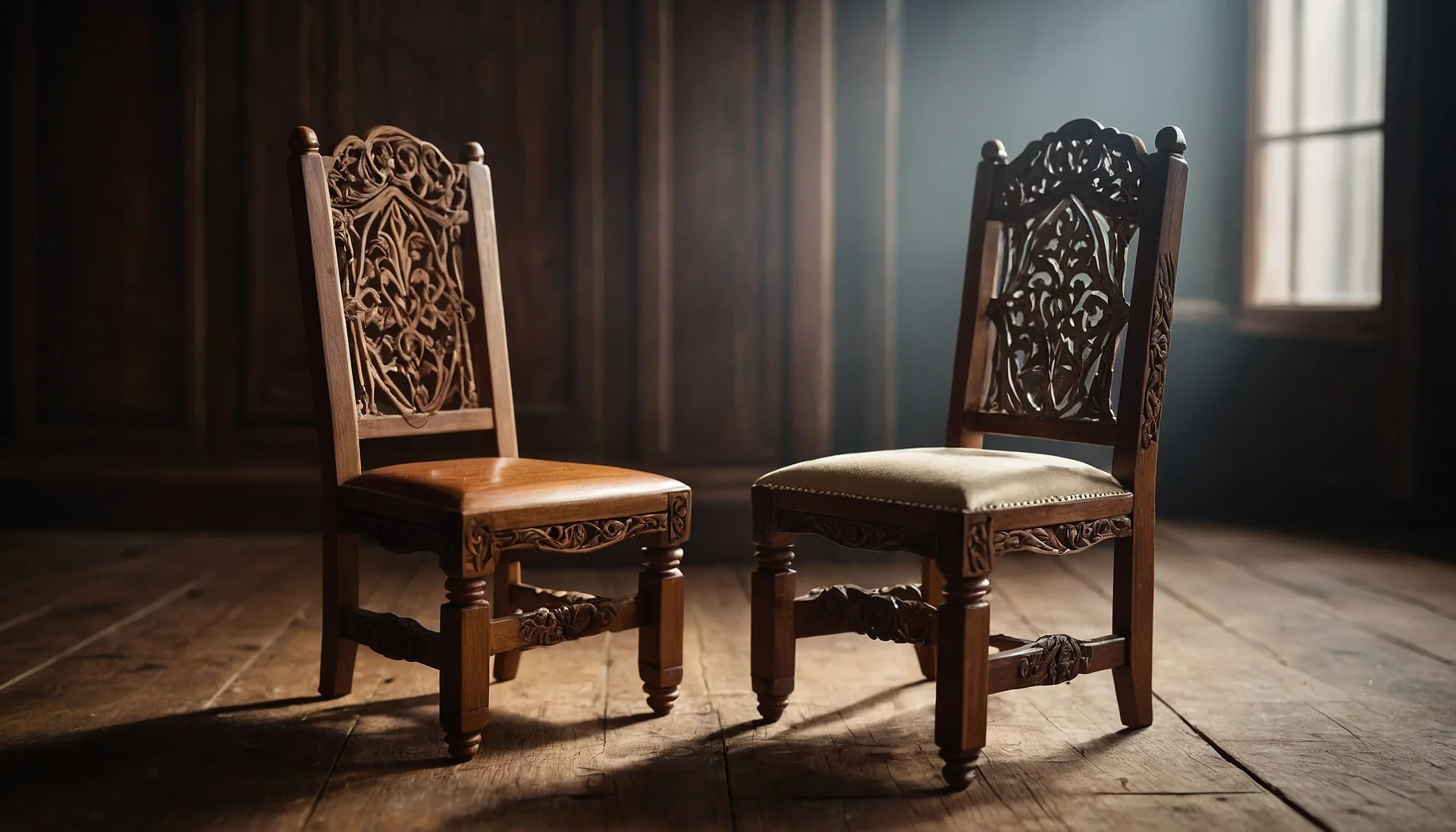
Handcrafted vs Kit-Built Miniatures: Key Differences
Compare handcrafted miniature furniture to kit-built pieces. Learn the key differences in materials, joinery, finishing, and collectibility between the two.
History of Miniature Furniture: Royal Courts to Today
Explore the rich history of miniature furniture from 17th-century Nuremberg dollhouses to Queen Mary's Dolls' House and today's modern artisan renaissance.
Miniature Furniture as Fine Art: The Case for Collecting
Explore why collectible miniature furniture belongs in the fine art world. From gallery exhibitions to museum collections, discover miniatures as true art.