
Miniature Woodworking Safety: A Comprehensive Guide
Stay safe in your miniature woodworking workshop. Essential safety tips for eye protection, dust hazards, sharp tools, ergonomics, and strain prevention.
Safety in miniature woodworking is a topic that does not get nearly enough attention. Because the tools are smaller and the pieces are tiny, there is a widespread assumption that miniature work is inherently safer than full-size woodworking. This assumption is wrong, and I have the scars to prove it.
Miniature woodworking has its own set of hazards that are different from, though sometimes overlapping with, those of full-size woodwork. Sharp tools, toxic wood dust, volatile finishing chemicals, and the physical strain of sustained precision work all pose real risks. Taking these risks seriously is not paranoia. It is professionalism.
In this guide I will cover every significant safety consideration I have encountered in years of miniature furniture making. Some of these will seem obvious. Others may surprise you.
Eye Protection
Your eyes are your most valuable tools, and miniature work puts them at unique risk.
Flying Debris
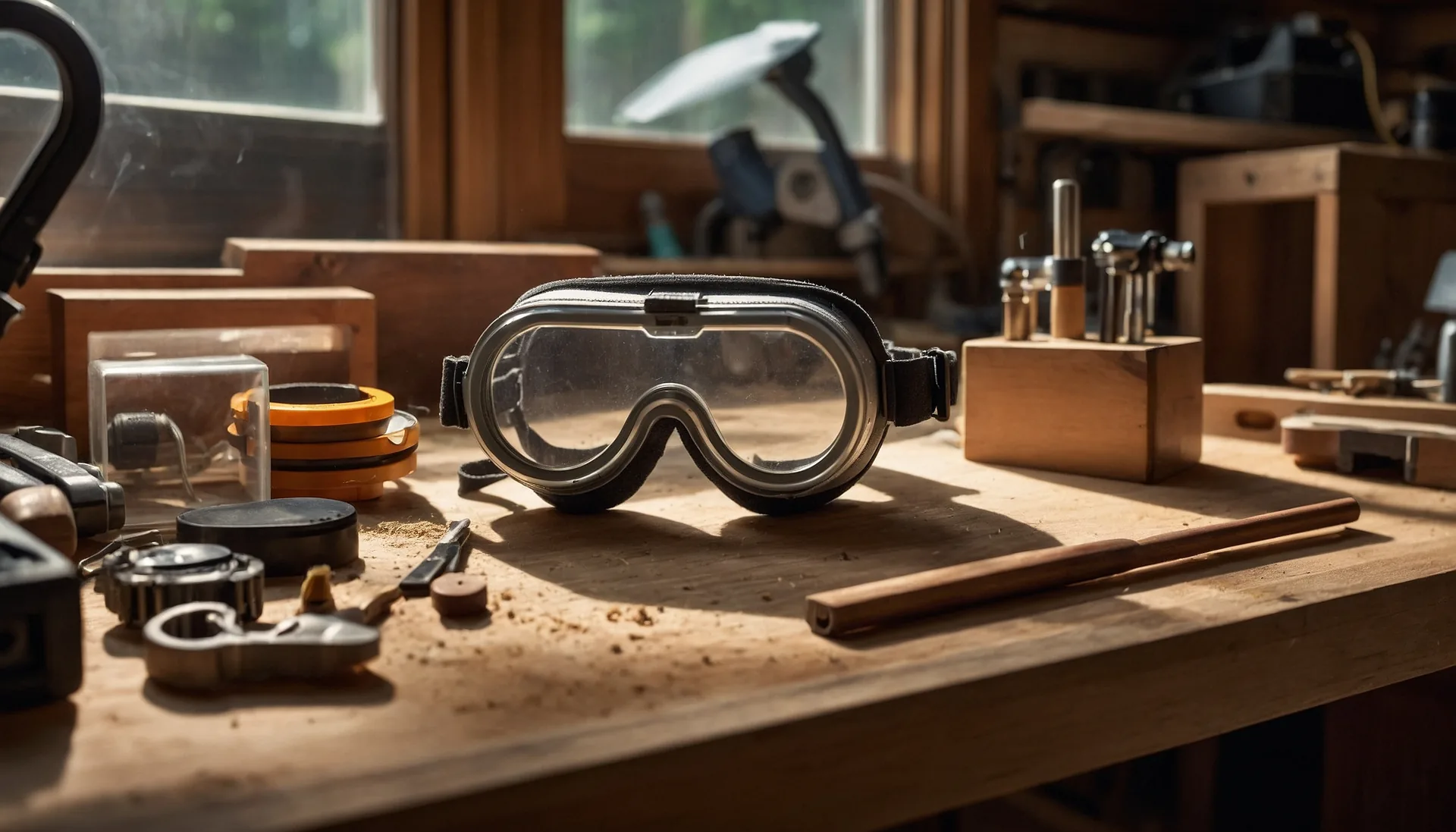
When a jeweler’s saw blade snaps, and it will snap, the broken end can fly with considerable velocity. Tiny chips of wood launch off chisels during paring. Sanding generates fine particles that drift upward toward your face. All of these can injure unprotected eyes.
Wear safety glasses or protective eyewear whenever you are cutting, chiseling, sanding, or filing. If you use a magnifying headband, choose one with an integrated protective lens, or wear safety glasses underneath it. The inconvenience is minimal compared to the consequences of an eye injury.
Eye Strain and Fatigue
The sustained close focus required by miniature work strains your eye muscles in ways that regular work does not. Symptoms include headaches, blurred vision, dry eyes, and difficulty focusing on distant objects after a work session.
Prevention strategies:
- Follow the 20-20-20 rule: every 20 minutes, look at something 20 feet away for 20 seconds. This relaxes the focusing muscles and reduces strain.
- Ensure your lighting is bright enough that you are not squinting. Squinting accelerates fatigue. See my workshop setup guide for lighting recommendations.
- Use the appropriate magnification for each task. Straining to see detail that is beyond your unaided acuity causes faster fatigue than using a magnifier.
- Keep eye drops on hand. Extended periods of focused work reduce your blink rate, leading to dry, irritated eyes.
- Get regular eye examinations. Changes in vision can sneak up gradually, and corrected vision reduces the compensatory strain that uncorrected vision causes.
Respiratory Protection
Wood dust is a health hazard. This is true at any scale, but miniature workers face some specific risks that are easy to underestimate.
The Dust You Cannot See
The most dangerous wood dust particles are too small to see. Particles under 10 microns in diameter penetrate deep into the lungs, and particles under 2.5 microns can enter the bloodstream. Fine sanding of dense hardwoods produces enormous quantities of these invisible particles. The fact that you cannot see a dust cloud does not mean the air is clean.
Exotic Wood Hazards
Many of the fine-grained hardwoods preferred for miniature work are known respiratory sensitizers or irritants. Boxwood, rosewood, cocobolo, and padauk can all trigger allergic reactions ranging from mild irritation to severe respiratory distress. Some tropical hardwoods contain compounds that are toxic when inhaled over extended periods.
The first time you work with a new species, be especially cautious. Allergic sensitivity to wood dust often develops over time. You may work with a species for years without issue and then suddenly develop a reaction. Consistent protection from the beginning prevents sensitization.
Protection Measures
Dust mask or respirator: For sanding and sawing, a properly fitted N95 dust mask filters the most harmful particles. For extended work or when using exotic woods, a half-face respirator with P100 filters provides superior protection and a more comfortable seal.
Ventilation: Work in a space with adequate air exchange. A small fan exhausting air to the outside removes dust-laden air from your breathing zone. Position the fan so that air flows from behind you, across your work, and toward the exhaust point. This carries dust away from your face rather than toward it.
Air filtration: An ambient air filter in your workshop removes fine particles that escape your immediate dust collection. Run it during and for at least 30 minutes after any dust-producing work.
Wet cleanup: After sanding or sawing, clean your workspace with a damp cloth rather than blowing or dry sweeping, which re-suspends settled dust into the air.
Sharp Tool Safety
Miniature tools are very sharp. They have to be. A dull tool at miniature scale is useless. But the sharpness that makes these tools effective also makes them capable of causing significant injuries.
Cutting Toward Yourself
The number one cause of tool injuries in miniature work is cutting or paring toward your own body, usually your free hand. At miniature scale, the temptation to hold a piece in one hand and cut with the other is strong because the pieces are so small. This is dangerous.
Always cut away from your fingers and body. Secure the workpiece in a vise, clamp, or holding jig whenever possible. If you must hold the piece by hand, position your holding hand behind the cutting direction so that a slip sends the blade away from your fingers, not toward them.
Dropped Blades
Razor blades, chisel tips, and saw blade fragments on the floor are a hazard to bare or socked feet. Wear shoes with solid soles in your workshop. When changing blades, place the used blade directly into a designated sharps container, not on the bench where it can be knocked onto the floor.
Blade Storage
Store exposed blades safely. Micro chisels should be kept in a roll or rack where the edges are protected. Craft knives should be retracted or capped when not in use. Loose blades should never be left on the bench surface.
Dull Tools Are More Dangerous Than Sharp Ones
This is counterintuitive but consistently true. A dull tool requires more force to cut, which reduces your control and increases the likelihood of a slip. Keep your tools sharp, and they will cut where you intend them to cut with minimal pressure.
Chemical Safety
Miniature furniture finishing involves chemicals that deserve respect. Shellac, lacquer, stains, adhesives, and solvents all present potential hazards.
Solvent Exposure
Denatured alcohol, lacquer thinner, and mineral spirits are volatile solvents that can cause headaches, dizziness, and respiratory irritation with acute exposure. Chronic exposure to some solvents can cause more serious health effects.
Work with solvents in a well-ventilated area. If you are doing extensive finishing work, consider using a respirator with organic vapor cartridges rather than relying on ventilation alone. Store solvent-soaked rags in a sealed metal container. Rags soaked with linseed oil or other drying oils can spontaneously combust if crumpled and left in a pile.
Adhesive Safety
Cyanoacrylate glue (super glue) bonds skin instantly. At miniature scale, where you are applying tiny drops of glue with a pin or toothpick, contact with skin is common. Keep a bottle of debonder at your bench. If you bond your fingers together or glue a piece to your skin, debonder dissolves the adhesive safely without tearing skin.
Epoxy adhesives can cause skin sensitization. Wear nitrile gloves when mixing and applying epoxy, and avoid skin contact. Once sensitized, you may develop reactions to epoxy that prevent you from ever using it again.
Finish Material Storage
Store all finishing chemicals in their original labeled containers, away from heat sources and open flames. Denatured alcohol and lacquer are highly flammable. A fire extinguisher rated for chemical fires should be accessible in any workshop where these materials are used.
Ergonomic Safety
The physical demands of miniature work are subtle but cumulative. Unlike full-size woodworking, where the physical effort is obvious, miniature work involves sustained static positions and repetitive micro-movements that strain muscles, tendons, and joints over time.
Repetitive Strain Injuries
Carpal tunnel syndrome, tendinitis, and de Quervain’s tenosynovitis are real risks for miniaturists who work extended hours without preventive measures. These conditions develop gradually and can become chronic if ignored.
Prevention strategies:
- Take regular breaks. Stand up and move every 30 to 45 minutes.
- Stretch your hands, wrists, and forearms before and during work sessions. Extend your fingers, rotate your wrists, and gently stretch the muscles of your forearms.
- Vary your activities. Alternate between different types of tasks so that no single set of muscles is under sustained repetitive load.
- Use tools with comfortable, ergonomic handles. If a tool causes discomfort during use, find a better-designed alternative.
- If you experience persistent pain, numbness, or tingling in your hands or wrists, stop working and consult a medical professional before the condition worsens.
Neck and Back Strain
Hunching over a workbench to see small details is the default posture for many miniaturists, and it is terrible for the neck and spine. Over months and years, this posture can lead to chronic pain, reduced mobility, and nerve compression.
Prevention strategies:
- Set up your bench and chair at the correct heights, as described in my workshop guide. Your work should come to your eyes, not the other way around.
- Use magnification to reduce the need to lean in close.
- Keep your back supported by the chair backrest as much as possible.
- Strengthen your core muscles. A strong core supports your spine and makes it easier to maintain good posture during long work sessions.
Mental Fatigue
Extended periods of intense concentration cause mental fatigue that degrades your judgment and fine motor control. A tired maker is more likely to make mistakes, both the kind that ruin a piece and the kind that cause injuries.
Recognize the signs of mental fatigue: difficulty concentrating, increased error rate, frustration, and loss of enjoyment. When you notice these signs, stop. Walk away from the bench for at least 15 minutes. Have a snack, take a short walk, or do something unrelated to your project. Returning with a fresh mind is always more productive than pushing through fatigue.
First Aid
Keep a basic first aid kit in your workshop. At minimum, include adhesive bandages in several sizes, antiseptic wipes, sterile gauze pads, medical tape, tweezers for splinter removal, and eye wash solution. Know where your kit is so you can reach it quickly when needed.
For cuts from sharp tools, apply firm pressure with a clean gauze pad. Most miniature tool cuts are small but can bleed freely because of the sharpness of the blade. Clean the wound thoroughly and apply an appropriate bandage. If a cut is deep, continues bleeding, or shows signs of infection, seek medical attention.
Creating a Safety-First Culture
Safety is not a set of rules you follow reluctantly. It is a mindset that becomes second nature with practice. Keep your workshop clean and organized. Maintain your tools in good condition. Wear appropriate protective equipment. Take breaks. Listen to your body.
The goal is to enjoy this craft for decades, producing work you are proud of while keeping yourself healthy and intact. Every piece in my gallery was made safely. Every one of them was worth the modest effort that safe practices require.
If you are just beginning your miniature woodworking journey, build good safety habits from day one. It is much easier to start with good practices than to break bad ones later. My beginner’s guide integrates safety considerations into every step, and my workshop setup guide shows you how to design a safe working environment from the ground up.
Take care of yourself so you can keep making beautiful things. That is the most important advice in this entire post.
Continue Your Journey
Related Articles
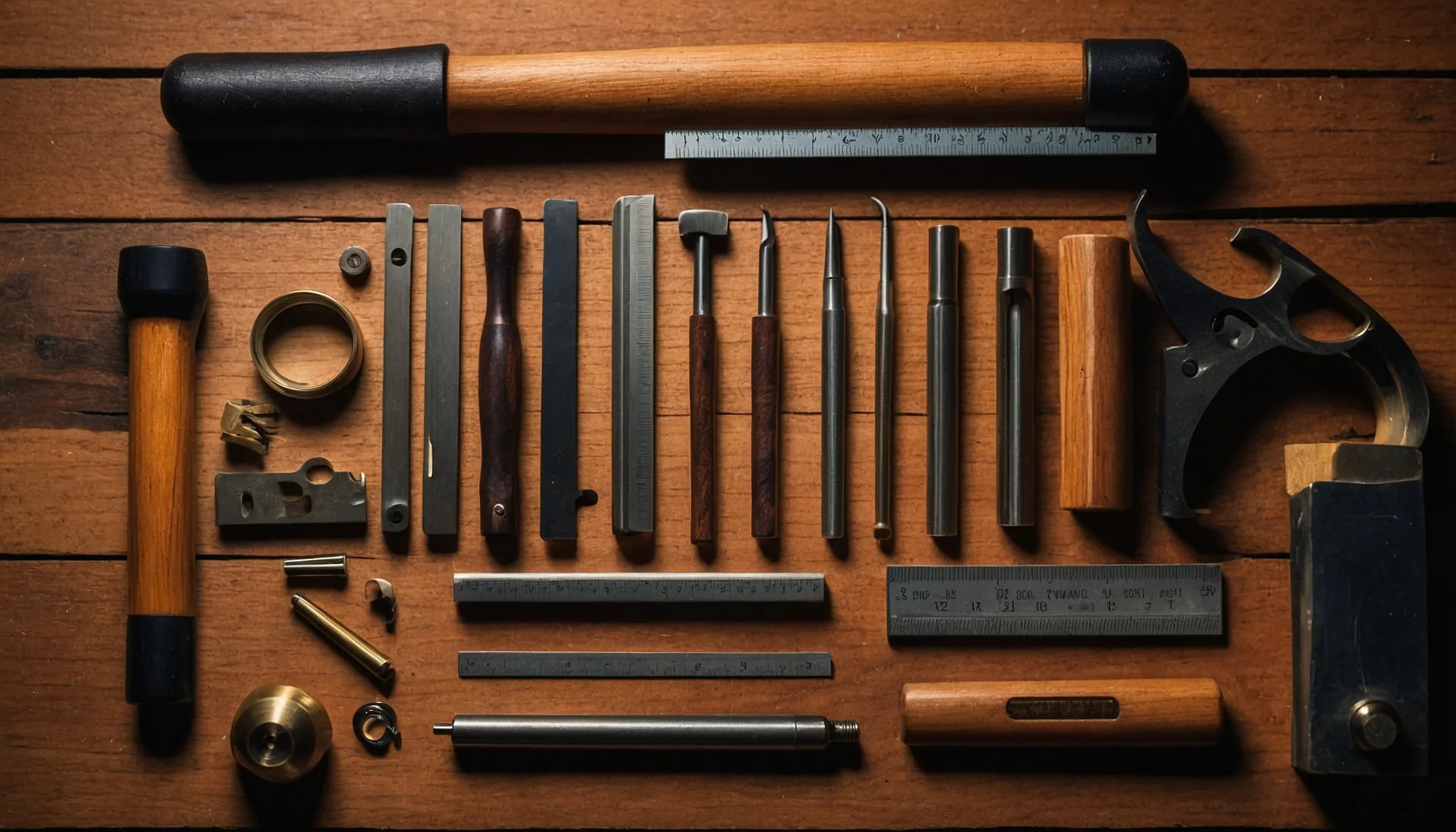
Essential Miniature Woodworking Tools Every Craftsman Needs
A complete guide to miniature woodworking tools, from micro chisels and jeweler's saws to magnification and finishing supplies for 1/12 scale furniture.

Miniature Tall Case Clocks: The Ultimate Challenge
Discover why miniature tall case clocks are the ultimate 1/12 scale woodworking challenge. Expert guide to case construction, dial faces, and finial turning.
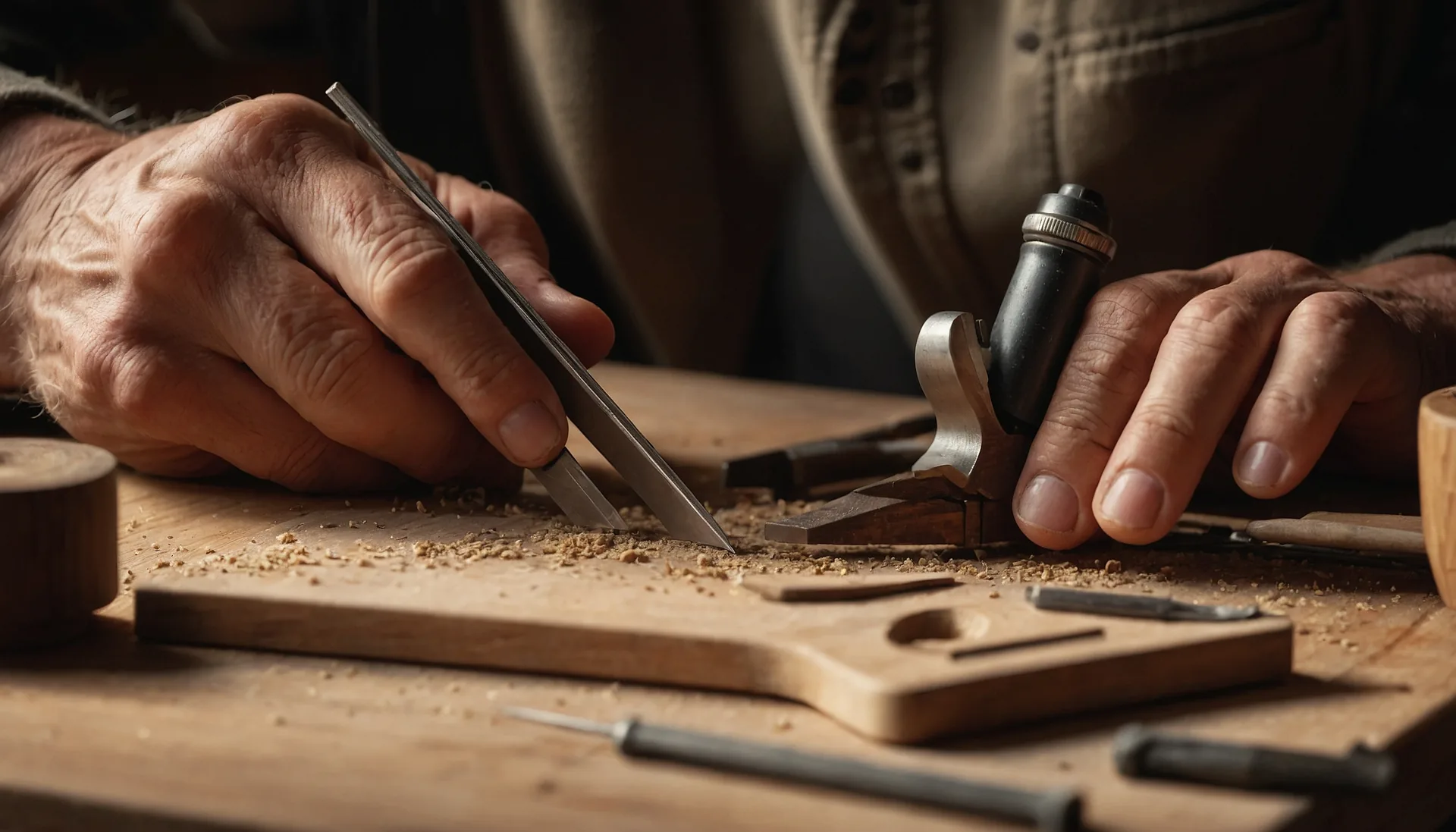
Miniature Woodworking for Beginners: Where to Start
A practical beginner's guide to miniature woodworking. Learn the mindset, first tools, starter projects, and common mistakes to avoid in small scale work.